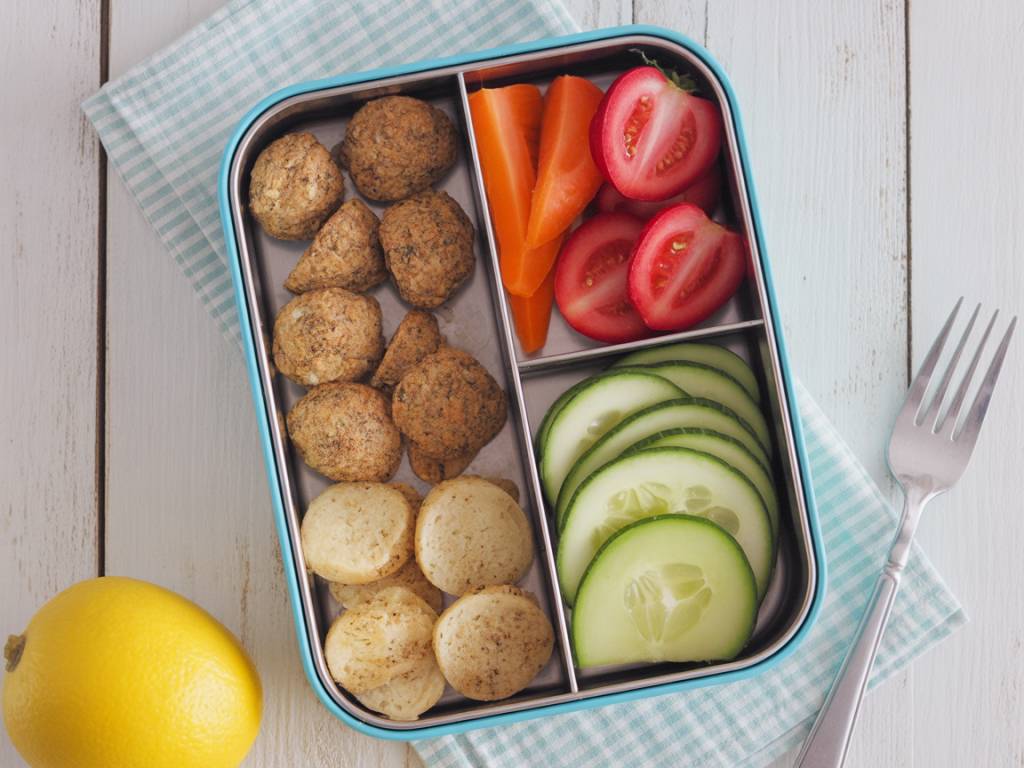
15 Clean Eating Lunchbox Ideas for Work and School
Preparing a wholesome lunchbox is one of the most practical ways to support steady energy, better focus, and a more balanced relationship with food—whether you are packing for a long office day or for children at school. “Clean eating” in this context does not mean perfection or strict rules. Rather, it emphasizes minimally processed foods, a variety of colorful ingredients, and a thoughtful balance of protein, complex carbohydrates, healthy fats, and fiber.
The following 15 lunchbox ideas are designed to travel well, taste appealing at room temperature, and be adaptable to different dietary preferences. Each one can be assembled the night before, making your midday meal both nourishing and enjoyable.
Mediterranean Chickpea Power Bowl
This lunchbox echoes the flavors of a classic Mediterranean mezze, centered around protein-rich chickpeas and crisp vegetables. It holds up well in the fridge and tastes even better as the flavors mingle overnight.
- Base: cooked chickpeas (canned and rinsed are fine)
- Vegetables: cherry tomatoes, cucumber slices, red onion, bell pepper strips
- Extras: Kalamata olives, crumbled feta (or dairy-free alternative), fresh parsley
- Dressing: olive oil, lemon juice, garlic, dried oregano, sea salt, black pepper
Pack the dressing in a small container and add just before eating to keep the vegetables bright and crunchy. For extra staying power, include a small portion of cooked quinoa or farro underneath.
Whole-Grain Rainbow Sushi Rolls
These colorful rolls are a visually appealing way to increase vegetable intake. Using brown rice or mixed whole grains bumps up fiber, which supports satiety and stable blood sugar.
- Base: cooked brown sushi rice or a mix of brown rice and quinoa
- Fillings: avocado, cucumber, carrot matchsticks, red cabbage, strips of baked tofu or smoked salmon
- Wrap: nori sheets
- Dip: low-sodium tamari or coconut aminos, plus pickled ginger
Roll tightly, slice into bite-sized pieces, and store in an airtight container. Tuck in a small ice pack if the lunchbox will sit for several hours, particularly if you include fish.
Lentil and Roasted Vegetable Salad
Lentils are a nutritional workhorse, offering plant protein, iron, and fiber. Roasting vegetables brings out natural sweetness, making this salad satisfying without heavy sauces.
- Base: cooked green or French lentils
- Vegetables: roasted sweet potato cubes, zucchini, red onion, and bell pepper
- Flavor accents: arugula or baby spinach, toasted pumpkin seeds, fresh herbs (thyme or parsley)
- Dressing: Dijon mustard, apple cider vinegar, extra-virgin olive oil, a touch of honey or maple syrup
Because lentils hold their shape, this salad resists becoming soggy, making it ideal for batch-prepping several days’ worth of lunches.
Herbed Chicken and Quinoa Lunchbox
This option leans on lean protein and whole grains for people who prefer a more traditional, structured plate. It is simple yet aromatic, relying on fresh herbs instead of heavy sauces.
- Protein: grilled or baked chicken breast seasoned with lemon, garlic, and herbs (rosemary, thyme, or oregano)
- Grain: cooked quinoa or a quinoa–brown rice blend
- Vegetables: steamed or roasted broccoli, green beans, or asparagus
- Extras: a lemon wedge, drizzle of olive oil, sprinkle of crushed almonds
Pack in a compartmentalized container to keep textures distinct. This is easy to reheat, but it is also pleasant at room temperature.
Hummus and Crunchy Vegetable Snack Box
For lighter appetites or afternoon schedules filled with meetings and classes, a “grazing” lunchbox can be both practical and balanced. The key is to include multiple textures and food groups.
- Dip: classic or roasted red pepper hummus
- Vegetables: carrot sticks, cucumber rounds, celery, snap peas, radishes
- Whole grains: whole-grain pita triangles or seeded crackers
- Extras: olives, cherry tomatoes, a few cubes of feta or a small handful of nuts
This kind of box invites mindful nibbling and can help replace less nutritious vending machine snacks with something more substantial.
Mason Jar Greek Salad
Layered salads in jars are visually appealing and practical. Placing the dressing at the bottom keeps the greens from wilting, and the jar can be poured into a bowl or eaten directly.
- Bottom layer: olive oil and red wine vinegar with oregano and garlic
- Hearty vegetables: cucumber, cherry tomatoes, chopped bell pepper
- Protein: chickpeas or grilled chicken strips
- Top layer: romaine or mixed leafy greens, plus a sprinkling of feta
Seal tightly and store upright. This saline, herb-forward salad offers the flavors of a Greek taverna in a portable format.
Turkey, Avocado, and Veggie Lettuce Wraps
For those avoiding bread or simply wanting a lighter midday meal, lettuce wraps are a crisp, refreshing alternative. Use sturdy leaves like romaine hearts or butter lettuce.
- Wraps: large lettuce leaves washed and patted dry
- Filling: sliced roast turkey (ideally low-sodium and minimally processed), avocado slices, tomato, cucumber strips
- Spread: hummus or a light yogurt–mustard sauce
- Extras: sprouts or microgreens for added texture
Transport the fillings and leaves separately, assembling them just before eating so the wraps stay crisp.
Brown Rice and Edamame Bento Box
Inspired by Japanese bento culture, this lunchbox balances grains, protein, and vegetables in compact portions, emphasizing variety over volume.
- Base: short-grain brown rice sprinkled with sesame seeds
- Protein: shelled edamame, marinated tofu cubes, or a hard-boiled egg
- Vegetables: blanched green beans, carrot ribbons, pickled cucumber
- Extras: a small container of low-sodium soy sauce or tamari, slices of orange or kiwi
This format encourages mindful portioning and invites experimentation with seasonal produce.
Stuffed Sweet Potato with Black Beans and Salsa
Sweet potatoes travel well and reheat beautifully, but they are also enjoyable at room temperature. They offer complex carbohydrates, beta-carotene, and a naturally sweet flavor that pairs well with savory toppings.
- Base: baked sweet potato, cooled and sliced open
- Protein and fiber: black beans or pinto beans
- Toppings: fresh tomato salsa, corn kernels, cilantro, a spoonful of plain Greek yogurt or a dairy-free alternative
- Extras: lime wedge, a sprinkle of smoked paprika or chili powder
Keep the toppings in a separate container if you prefer a firmer texture, then build your stuffed potato at lunchtime.
Smoked Salmon and Seeded Rye Sandwich
For those who enjoy traditional sandwiches, choosing hearty whole-grain bread and high-quality fillings keeps the meal aligned with a clean eating approach.
- Bread: dense seeded rye or whole-grain sourdough
- Protein: smoked salmon or trout
- Spread: light cream cheese or a yogurt–herb spread
- Vegetables: cucumber slices, baby spinach, red onion
Wrap tightly in parchment or beeswax wrap to prevent the bread from drying out. Add a side of raw vegetables or a small fruit salad to round out the meal.
Roasted Vegetable and Pesto Pasta Salad
Pasta salads can be both indulgent and balanced when made with whole grains and plenty of vegetables. Using a vibrant pesto instead of heavy mayonnaise keeps the dish herbaceous and aromatic.
- Base: whole-wheat fusilli or another short pasta
- Vegetables: roasted cherry tomatoes, zucchini, eggplant, and red bell pepper
- Sauce: homemade or high-quality pesto (basil, garlic, olive oil, nuts, and Parmesan or nutritional yeast)
- Extras: chickpeas or shredded chicken for extra protein
This salad is excellent served cold, making it an ideal make-ahead dish for busy weekdays.
Falafel, Tabbouleh, and Tahini Box
This lunchbox brings together Middle Eastern flavors and a range of textures, from crisp falafel to fresh, herb-laden salad.
- Protein: baked falafel (homemade or from a minimally processed source)
- Salad: tabbouleh made with bulgur or quinoa, parsley, mint, tomato, cucumber, lemon, and olive oil
- Sauce: tahini–lemon dressing
- Extras: romaine leaves or whole-grain pita wedges
Pack the falafel separately if you prefer it crisp. This combination is particularly rich in fiber and plant-based protein.
Caprese-Inspired Farro Salad
Borrowing flavors from the classic Italian caprese, this grain salad is hearty enough for lunch and easy to adapt for dairy-free diets.
- Base: cooked farro or another chewy whole grain
- Ingredients: cherry tomatoes, fresh mozzarella pearls (or a plant-based cheese), fresh basil
- Dressing: extra-virgin olive oil, balsamic vinegar, sea salt, cracked black pepper
- Extras: toasted pine nuts or walnuts for added crunch
This salad keeps relatively well for two to three days in the refrigerator, making it suitable for batch preparation.
Egg Muffins with Salad on the Side
Egg muffins—mini frittatas baked in a muffin tin—offer a protein-dense component that can be paired with a fresh salad for a complete meal.
- Muffin filling: beaten eggs, chopped spinach, diced bell peppers, onion, herbs, and a small amount of cheese if desired
- Side salad: mixed greens, shredded carrot, cucumber, simple vinaigrette
- Extras: a small piece of fruit or a handful of berries
Egg muffins can be refrigerated for several days and eaten cold or slightly warmed. They are convenient for both school and office lunchboxes, especially when mornings are rushed.
Apple, Nut Butter, and Oat Energy Box
On particularly busy days, a smaller, energy-focused lunch can help bridge the gap between breakfast and dinner while staying grounded in whole foods.
- Fruit: crisp apple slices or pear wedges (tossed in lemon juice to prevent browning)
- Protein and fat: small containers of almond or peanut butter for dipping
- Whole grains: homemade oat bars or balls made with rolled oats, dates, and seeds
- Extras: a few dark chocolate squares or cacao nibs for a subtle, bittersweet note
While lighter than some of the other options, this box offers a mix of complex carbohydrates, fiber, and healthy fats that can sustain energy through an afternoon.
Thoughtfully assembled lunchboxes offer more than just convenience; they are daily opportunities to engage with food as both nourishment and pleasure. By prioritizing whole ingredients, diversity of color, and a balance of macronutrients, these 15 clean eating ideas can help transform the midday meal into a steady anchor within busy work and school routines. Adjust portions, seasonings, and components according to individual tastes and cultural preferences, and use these frameworks as a starting point for your own combinations throughout the week.