


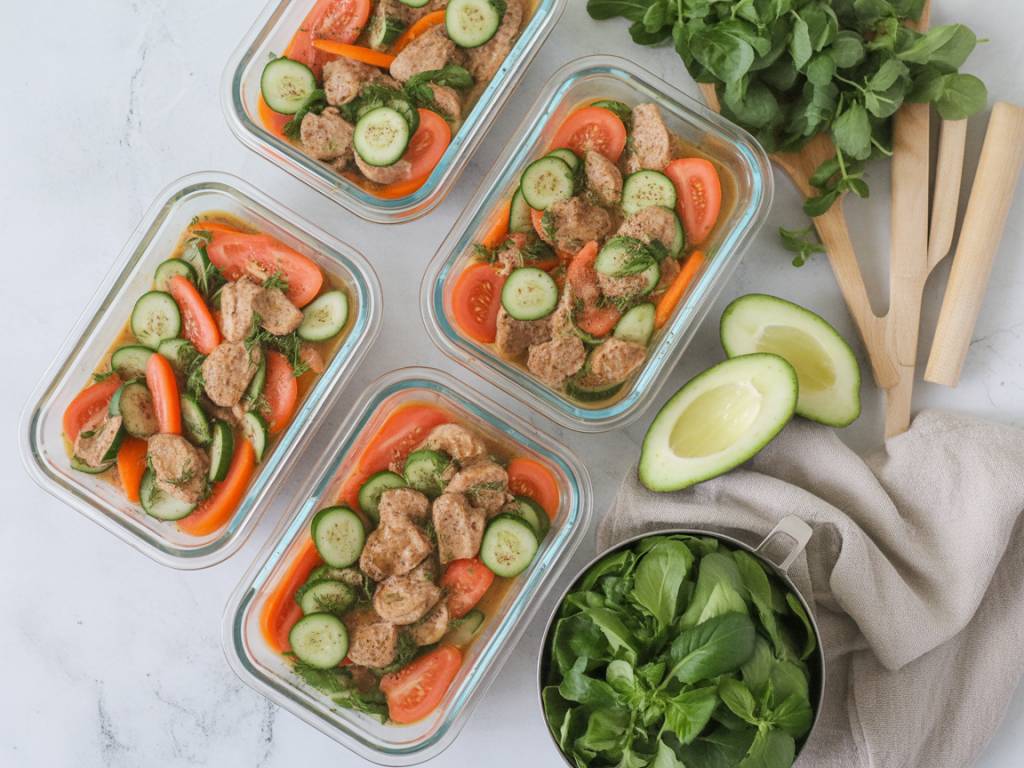
Why Clean Eating Works Best When the Week Is Planned
Healthy eating often becomes easier, more sustainable, and less stressful when meals are prepared ahead of time. For many people, the challenge is not knowing what to eat, but finding the time and energy to make balanced choices during busy weekdays. Meal prep addresses this problem by turning clean eating into a practical routine rather than a daily decision. When ingredients are washed, chopped, cooked, and stored in advance, it becomes much easier to build meals that are nourishing, satisfying, and consistent.
Clean eating does not need to be restrictive or complicated. At its core, it is about choosing foods that are minimally processed, nutrient-dense, and naturally flavorful. Fresh vegetables, lean proteins, whole grains, legumes, healthy fats, fruits, and herbs can create meals that are both enjoyable and supportive of overall well-being. A well-structured meal prep plan can also reduce food waste, save money, and limit the temptation to rely on convenience foods that may be high in salt, sugar, or saturated fat.
The best meal prep ideas are flexible enough to fit different preferences and realistic enough to repeat every week. The five ideas below are designed to support a week of clean eating while keeping preparation efficient and ingredients easy to find.
Roasted Vegetable Grain Bowls with Protein
Grain bowls are among the most versatile meal prep options because they can be assembled in advance and customized throughout the week. A base of brown rice, quinoa, farro, or barley provides complex carbohydrates and lasting energy. Roasted vegetables such as broccoli, zucchini, carrots, bell peppers, cauliflower, and sweet potatoes add fiber, color, and volume. A lean protein source completes the bowl and helps support satiety.
Chicken breast, baked tofu, chickpeas, salmon, or hard-boiled eggs all work well depending on dietary preference. To keep the bowls fresh, prepare the components separately and combine them just before eating. A simple dressing made with olive oil, lemon juice, garlic, and herbs can brighten the flavor without relying on heavy sauces.
For practical storage, divide the grain, vegetables, and protein into airtight containers. If desired, keep leafy greens or delicate toppings such as avocado and fresh herbs separate until serving. This approach creates a meal that feels balanced and satisfying without requiring any weekday cooking.
- Base: quinoa, brown rice, or farro
- Vegetables: roasted broccoli, carrots, peppers, or sweet potatoes
- Protein: grilled chicken, tofu, salmon, or chickpeas
- Finish: lemon-herb dressing, pumpkin seeds, or fresh parsley
Overnight Oats with Fruit and Seeds
Breakfast often becomes the first meal to be rushed during a busy week, which is why overnight oats are one of the most practical meal prep solutions. They require almost no cooking and can be assembled in jars or containers in just a few minutes. Rolled oats soften overnight in milk or a dairy-free alternative, creating a creamy base that can be flavored in many ways.
To keep the recipe aligned with clean eating, use unsweetened yogurt or milk, fresh or frozen fruit, and simple toppings such as chia seeds, flaxseeds, nuts, or cinnamon. Sliced bananas, blueberries, strawberries, apples, and pears each bring a different texture and natural sweetness. A small amount of nut butter can add richness and healthy fat, making the breakfast more filling.
Overnight oats are especially effective for portion control because each serving can be prepared individually. They travel well, store easily in the refrigerator, and can be eaten cold or warmed slightly if preferred. For those who need a quick morning meal, this option delivers fiber, protein, and slow-digesting carbohydrates in a form that feels convenient and adaptable.
- Oats: rolled oats rather than instant varieties
- Liquid: unsweetened almond milk, oat milk, or dairy milk
- Fruit: berries, banana, apple, or pear
- Extras: chia seeds, cinnamon, nuts, or nut butter
Sheet Pan Chicken or Tofu with Seasonal Vegetables
Sheet pan meals are valuable because they simplify cooking and minimize cleanup. A single tray can hold a complete meal made from protein, vegetables, and herbs, all roasted together until tender and flavorful. This method works particularly well for weekly meal prep because it produces multiple servings at once and allows ingredients to be varied according to the season.
Chicken thighs or breasts, tofu, and even tempeh can serve as the main protein. Vegetables such as Brussels sprouts, zucchini, asparagus, onions, mushrooms, carrots, and butternut squash roast beautifully and absorb seasoning well. Olive oil, paprika, black pepper, garlic powder, rosemary, thyme, and turmeric create depth without the need for processed marinades. A squeeze of lemon or a spoonful of plain yogurt sauce can finish the dish with a fresh note.
Once cooked, the tray can be portioned into containers with a small serving of whole grains or legumes if additional carbohydrates are desired. The meal reheats well and can be eaten for lunch or dinner. Because the ingredients are cooked together, the flavors tend to blend naturally, which makes this one of the easiest recipes to repeat weekly.
- Protein: chicken, tofu, or tempeh
- Vegetables: Brussels sprouts, carrots, mushrooms, zucchini, or squash
- Seasoning: olive oil, garlic, paprika, thyme, or rosemary
- Optional sides: brown rice, lentils, or quinoa
Mason Jar Salads with Layered Fresh Ingredients
Salads can be an excellent clean eating choice, but they often lose appeal when ingredients become soggy or lack substance. Mason jar salads solve that problem by layering ingredients in a specific order so they remain crisp and fresh for several days. The dressing goes at the bottom, followed by sturdy vegetables, grains or legumes, proteins, and finally leafy greens at the top.
This method works well for combinations such as cucumber, cherry tomatoes, chickpeas, quinoa, shredded carrots, spinach, and feta cheese, though plant-based versions are equally effective. A salad can be built around Mediterranean flavors, Asian-inspired ingredients, or simple seasonal produce. The structure matters more than the exact recipe, because the layering keeps textures intact until serving time.
When ready to eat, the jar is shaken or poured into a bowl so the dressing coats the contents evenly. Mason jar salads are ideal for people who want a lunch that feels light but still provides enough fiber and protein to remain satisfying. Preparing several jars at once can cover multiple meals with minimal effort.
- Dressing: olive oil vinaigrette, tahini dressing, or lemon-based dressing
- Sturdy vegetables: cucumbers, carrots, peppers, or tomatoes
- Protein: chickpeas, grilled chicken, eggs, or tofu
- Greens: spinach, kale, arugula, or romaine
Turkey or Lentil Lettuce Wraps with Simple Sides
Lettuce wraps offer a lighter alternative to sandwiches and can be assembled into a clean eating lunch or dinner with very little preparation. They are especially useful for meal prep because the filling can be cooked in advance and stored separately, while the lettuce leaves remain crisp in the refrigerator. Ground turkey, shredded chicken, or seasoned lentils can serve as the main filling, depending on dietary needs.
A savory mixture of onions, garlic, ginger, and vegetables such as carrots, mushrooms, or water chestnuts creates a flavorful base. Low-sodium soy sauce or coconut aminos can be used in moderation for seasoning, along with sesame oil or fresh herbs. Butter lettuce and romaine leaves tend to work well because they are sturdy enough to hold the filling without tearing easily.
To make the meal more complete, pair the wraps with a side of sliced cucumbers, fruit, edamame, or a small portion of brown rice. The result is a fresh, crisp meal that feels lighter than many traditional lunch options while still offering enough substance for busy days. This is a strong choice for anyone trying to reduce reliance on bread-based meals without sacrificing convenience.
- Filling: ground turkey, chicken, or lentils
- Vegetables: mushrooms, onions, carrots, or water chestnuts
- Wrap base: butter lettuce or romaine leaves
- Side ideas: cucumber slices, edamame, fruit, or brown rice
How to Make Meal Prep More Sustainable During the Week
A successful meal prep routine depends on more than choosing healthy recipes. It also requires a system that feels realistic from one week to the next. Starting with two or three repeated ingredients can make shopping easier and reduce the mental burden of cooking. For example, a week might include quinoa, roasted vegetables, chicken, oats, and berries across several meals. Reusing ingredients in different forms helps keep preparation efficient while still creating variety.
Storage is another important part of the process. Airtight containers, glass jars, and compartmentalized lunch boxes can help preserve texture and freshness. Meals should be cooled properly before refrigeration, and dressings or sauces are best stored separately when possible. Labeling containers by day can also prevent food from being forgotten at the back of the fridge.
It is also useful to plan with flexibility in mind. A prep session does not need to cover every meal of the week in exact detail. Instead, it can provide a foundation of ready-to-eat components that can be mixed and matched as needed. Some days may call for a salad, while others may require a warm bowl or a wrap. That adaptability is one of the strengths of clean eating when paired with thoughtful preparation.
Ultimately, meal prep supports healthy eating by making nutritious choices more accessible. It reduces the likelihood of skipping meals, ordering takeout out of convenience, or relying on highly processed snacks when energy runs low. With a balanced set of ingredients and a few well-chosen recipes, a week of clean eating becomes far easier to maintain.