7 Clean Eating Lunchbox Ideas for Healthy Meals on the Go
Why Clean Eating Matters at Lunchtime
The midday meal is often the most neglected. Many people grab whatever is quickest: processed sandwiches, sugary snacks, or oversized portions eaten in front of a screen. Yet nutritionally, lunch plays a strategic role. It stabilizes blood sugar between breakfast and dinner, supports cognitive function throughout the afternoon, and can either reinforce or derail broader health goals.
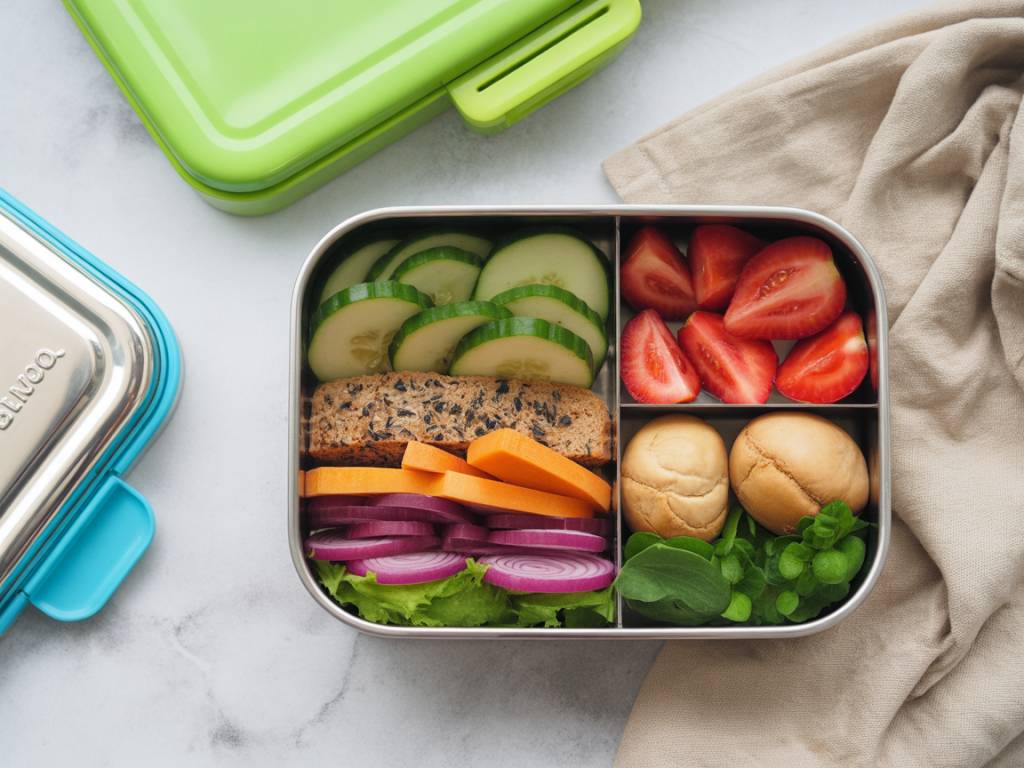
“Clean eating” is not a rigid diet but a general approach: prioritizing minimally processed foods, emphasizing whole grains, vegetables, fruits, lean proteins, and healthy fats, and limiting additives, refined sugars, and ultra‑processed convenience items. In the context of a lunchbox, this philosophy translates into colorful, texture-rich combinations that travel well, taste good at room temperature, and deliver steady energy.
The following ideas are designed with portability and practicality in mind. Each lunchbox concept focuses on balance: a source of protein, high-fiber carbohydrates, healthy fats, and a generous share of vegetables. Portions can be adjusted according to age, activity level, and individual needs.
Mediterranean Chickpea Power Bowl
Inspired by the traditional Mediterranean diet, this plant-forward bowl relies on legumes, vegetables, and olive oil. It can be assembled in minutes from pantry staples and keeps well in the fridge for several days, making it ideal for batch-prepped lunches.
Base components:
For the dressing, a simple emulsion works well: extra virgin olive oil, lemon juice, a small amount of Dijon mustard, dried oregano, sea salt, and black pepper. Pack the dressing separately in a small container and add it just before eating to keep the greens crisp.
Nutritionally, this lunchbox delivers plant-based protein from chickpeas, fiber from vegetables and legumes, and monounsaturated fat from olive oil and olives. The result is a meal that is filling without feeling heavy, supporting satiety and stable energy levels throughout the afternoon.
Rainbow Veggie and Hummus Wrap
Color is a useful shorthand for nutrient diversity. A wrap stuffed with a spectrum of vegetables provides a variety of vitamins, minerals, and phytochemicals in a familiar, handheld format.
Key elements:
Spread a generous layer of hummus over the tortilla, leaving a small border at the edges. Layer the vegetables in the center, roll tightly, and slice in half. To keep the wrap intact in a lunchbox, it can be wrapped in parchment paper or beeswax wrap.
The hummus offers protein and healthy fats from chickpeas and tahini, while the whole-grain wrap contributes complex carbohydrates and fiber. The raw vegetables retain their crunch and nutrient content, making this a refreshing option for warm days or for those who prefer lighter midday meals.
Herbed Quinoa, Roasted Vegetables, and Salmon
For those seeking a more substantial lunch with a focus on omega‑3 fats and long-lasting satiety, a quinoa and roasted vegetable base topped with salmon is a robust option. It can be eaten warm or at room temperature.
Core components:
Toss the quinoa with a small drizzle of olive oil, lemon juice, chopped fresh herbs, and a pinch of salt. Arrange the roasted vegetables on top, followed by the salmon. Pack lemon wedges separately to squeeze over the dish just before eating.
From a nutritional standpoint, quinoa provides complete protein and complex carbohydrates, while salmon contributes high-quality protein and omega‑3 fatty acids, which are associated with cardiovascular and anti-inflammatory benefits. Roasted vegetables add depth of flavor and antioxidants, and can be varied according to season and availability.
Lentil and Roasted Sweet Potato Salad
Lentils are a staple in many traditional cuisines, valued for their affordability, versatility, and nutritional density. In a lunchbox, they serve as a sturdy base that holds up over several days without losing texture.
Suggested ingredients:
Combine the lentils and sweet potatoes with the crunchy vegetables and seeds. Keep the greens and dressing separate until serving to preserve their freshness. At lunchtime, toss everything together in your container.
This combination offers a mix of slow-digesting carbohydrates from lentils and sweet potato, plant-based protein, and a modest dose of healthy fats from seeds. The dish is naturally high in fiber, which can help regulate appetite and support digestive health, making it a suitable option for those managing blood sugar or aiming to avoid mid-afternoon slumps.
Brown Rice Sushi Box with Edamame
Homemade sushi may sound ambitious, but a deconstructed approach turns it into a realistic weekday lunch. Using brown rice instead of white increases fiber content, while focusing on vegetables and moderate portions of fish aligns with a clean eating framework.
Core elements:
Arrange the rice on one side of the lunchbox and pile the vegetables, protein, and nori on the other. Diners can assemble bite-sized combinations with chopsticks or a fork, dipping into tamari as desired. Edamame adds additional plant protein and fiber and can be enjoyed separately as a snack component.
Compared to many commercially prepared sushi options, this homemade version offers more control over sodium, added sugars (often hidden in sauces), and portion sizes. The presence of whole grains and generous vegetables enhances the overall nutrient profile without sacrificing the familiar flavors of sushi.
Greek Yogurt, Nut, and Fruit Bento
For those who prefer a lighter, more snack-style lunch, a bento box built around strained yogurt can work well, especially when paired with nuts, seeds, and fruit. While this combination is often associated with breakfast, it can also function as a satisfying midday meal if carefully balanced.
Possible components:
To prevent sogginess, pack the yogurt separately and add fruits, nuts, and granola only when ready to eat. This structure keeps textures distinct: creamy, crunchy, and juicy. A few raw vegetables in a side compartment help balance the natural sweetness of the fruit and offer additional fiber.
This lunchbox is rich in protein, which supports muscle maintenance and satiety, and provides healthy fats from nuts and seeds. Using plain yogurt instead of flavored varieties reduces added sugars, giving more flexibility to adjust sweetness with small amounts of honey or fruit.
Hearty Bean and Vegetable Soup in a Thermos
Not all portable lunches need to be eaten cold. A well-insulated thermos opens up the possibility of hot, home-cooked meals far from the kitchen. Bean and vegetable soup, in particular, aligns well with clean eating principles: it is typically based on broth, vegetables, and legumes, with minimal processing.
Base recipe idea:
Simmer until vegetables are tender and flavors have melded. In the morning, reheat the soup until piping hot and pour it into a pre-warmed thermos. Add a side container of whole-grain crackers, a small piece of whole-grain bread, or a simple green salad to round out the meal.
From a nutritional perspective, soups of this kind provide hydration, fiber, and a wide array of micronutrients. They can be adjusted easily for different dietary patterns—vegetarian, gluten-free, or dairy-free—without relying on ultra-processed ingredients. For those working in air-conditioned or cold environments, a warm lunch can also have a subtle effect on comfort and satisfaction.
Practical Tips for Clean Eating Lunchbox Success
Adopting a clean eating approach to packed lunches is less about perfection and more about consistency and planning. A few practical strategies can make these ideas easier to implement during a busy week.
Clean eating in a lunchbox format is less about elaborate recipes and more about assembling thoughtful combinations of whole foods. With a modest amount of preparation and the right containers, it becomes possible to carry balanced, flavorful meals that support health goals, even on the busiest days.