7 Clean Eating Lunchbox Ideas for Work and School
Between busy commutes, back-to-back meetings and after-school activities, lunch is often the first meal to be sacrificed to convenience foods. Yet, midday is precisely when your body and brain need steady energy and nutrients to stay focused. Clean eating lunchboxes aim to bridge that gap: they favor whole, minimally processed foods, emphasize vegetables, fruits, quality proteins and whole grains, and keep added sugars and artificial additives low.
For adults at the office and children at school, a well-planned lunchbox can become a practical daily ritual rather than a chore. The ideas below highlight simple, portable meals that rely on accessible ingredients and straightforward preparation, with an emphasis on texture, flavor and satiety. Each lunchbox can be adjusted for dietary needs, seasonal produce and personal taste.
Mediterranean Chickpea Power Bowl
This lunchbox takes cues from the traditional Mediterranean diet, known for its emphasis on legumes, vegetables, olive oil and herbs. Chickpeas offer a plant-based source of protein and fiber, helping to keep hunger at bay throughout the afternoon.
Base components:
- Chickpeas (cooked or canned, rinsed well) as the main protein.
- Fresh vegetables such as cherry tomatoes, cucumber slices, red onion and bell pepper strips.
- Whole grains like quinoa or bulgur to add complex carbohydrates and additional fiber.
- Healthy fats from olives and a modest portion of feta cheese (or a dairy-free alternative).
For the dressing, a simple mix of extra-virgin olive oil, lemon juice, dried oregano and a pinch of sea salt is enough. Keep the dressing in a small leak-proof container and add it shortly before eating to prevent the grains and vegetables from becoming soggy.
This lunchbox travels well, tastes good at room temperature and can be prepared in batches. For children, the individual components can be separated into compartments: chickpeas in one, chopped vegetables in another, and grains in a third. This approach allows them to combine elements as they prefer and can encourage more adventurous eating over time.
Rainbow Veggie Wrap with Hummus
A wrap filled with colorful vegetables is an approachable entry point to clean eating for both adults and children. The goal here is to layer as many textures and hues as possible, turning the lunchbox into a visual reminder of variety.
Core ingredients:
- Whole-grain or sprouted-grain tortilla as a fiber-rich base that holds up well during transport.
- Hummus spread generously to add creaminess, plant protein and healthy fats.
- Grated carrots, thinly sliced red cabbage and baby spinach for crunch and color.
- Thin strips of bell pepper and cucumber for extra freshness.
Roll the wrap tightly, then slice into halves or pinwheel-style rounds. To keep the wrap from drying out, place it in an airtight container and add a side of cherry tomatoes or a small portion of seasonal fruit.
For children who may be wary of raw vegetables, start with a shorter list of familiar fillings, such as grated carrot and cucumber, then gradually introduce new options. Adults can enhance the wrap with extra protein, such as grilled chicken breast, roasted tofu or leftover salmon.
Baked Salmon, Brown Rice and Steamed Greens
For those who prefer a more traditional “plate-style” meal, this lunchbox offers a balanced trio: lean protein, whole grains and green vegetables. Baked salmon is rich in omega-3 fatty acids, which are associated with heart and brain health.
Lunchbox components:
- Baked salmon fillet, seasoned simply with olive oil, lemon, garlic and herbs.
- Brown rice or wild rice as a complex carbohydrate source with more fiber than white rice.
- Steamed or sautéed greens such as broccoli, green beans or kale.
Allow the salmon and rice to cool before packing to avoid condensation inside the container. A wedge of lemon can be added for squeezing just before eating. This lunch is best when it can be briefly reheated, but it is also acceptable at room temperature.
The same template can be adapted to different proteins and grains: roasted chickpeas instead of salmon, or barley in place of rice. The structure remains the same: one-quarter of the box for protein, one-quarter for whole grains and half for vegetables.
Lentil and Roasted Vegetable Jar Salad
Jar salads have become popular largely because they keep ingredients fresh and crisp for several days. When built thoughtfully, they offer a substantial, clean eating option that can be prepared in advance for the work or school week.
Layering guide (from bottom to top):
- Dressing made with olive oil, apple cider vinegar or lemon juice, Dijon mustard, herbs and a pinch of salt.
- Hearty vegetables such as roasted sweet potato cubes, beets or carrots that can tolerate contact with dressing.
- Cooked lentils (green or brown) for protein and fiber.
- Crisp vegetables like cucumber and radish slices.
- Leafy greens such as arugula, romaine or baby spinach at the top to stay dry.
At lunchtime, simply tip the contents into a bowl or wide container so that the dressing distributes evenly. Lentils provide long-lasting satiety and pair well with the natural sweetness of roasted vegetables. For younger children, it may be easier to serve the elements in separate compartments rather than in a jar.
Turkey, Avocado and Veggie Bento Box
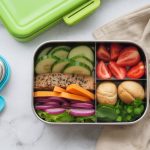
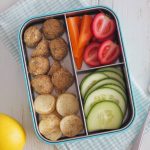
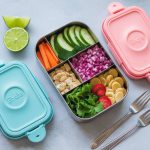
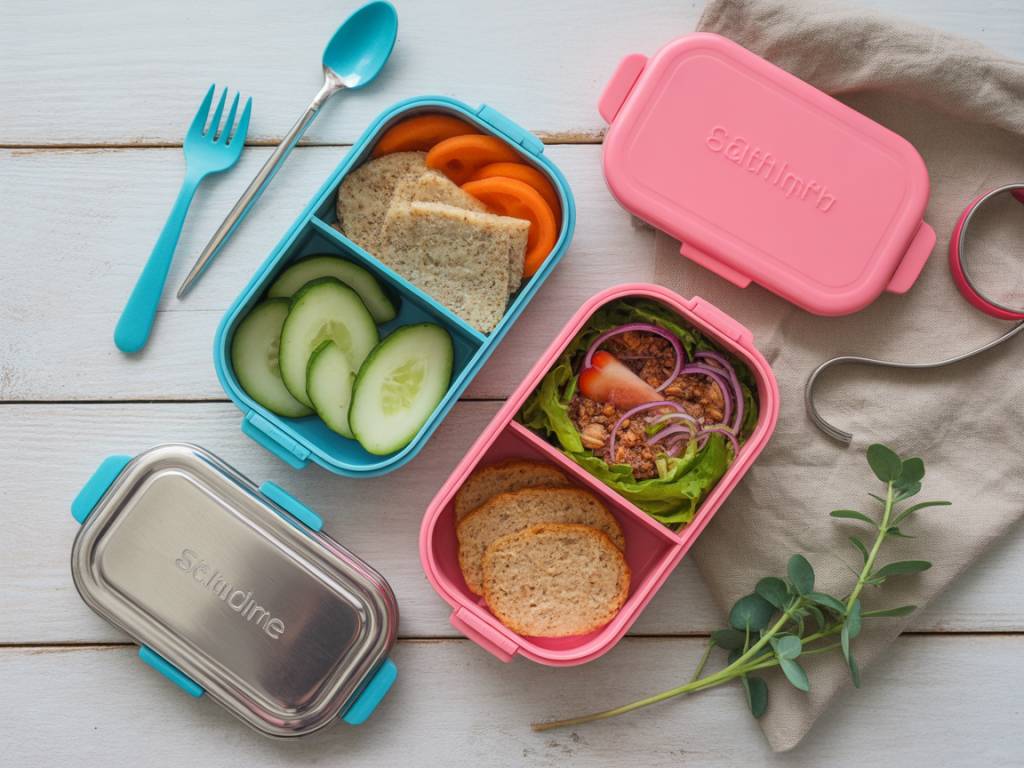
Bento-style lunchboxes, with their small compartments and visual appeal, encourage balance and portion awareness. This clean eating bento combines lean protein, healthy fats, raw vegetables and fruit in a way that feels more like grazing than eating a single large dish.
Suggested compartments:
- Protein section: rolled slices of roasted turkey breast (ideally minimally processed, low in added sodium) or a vegetarian deli alternative.
- Healthy fat section: sliced avocado with a squeeze of lime to limit browning, or a small container of guacamole.
- Vegetable section: carrot sticks, snap peas, cherry tomatoes or sliced radishes.
- Whole-grain section: a small portion of whole-grain crackers or a slice of dense rye bread cut into bite-sized pieces.
- Fruit section: berries, apple slices sprinkled with cinnamon, or a few grapes.
This format is particularly child-friendly, as it allows for autonomy and choice. Adults may appreciate the ability to scale portions according to appetite and activity level, adding more vegetables or protein on days when they anticipate greater hunger.
Overnight Oats Lunchbox with Savory Sides
Overnight oats are typically associated with breakfast, but they can function well as a midday meal, especially when paired with savory sides to create a more complex lunchbox. Oats are rich in soluble fiber, which supports digestive health and helps regulate blood sugar.
Overnight oats base:
- Rolled oats soaked in an unsweetened milk of choice (dairy or plant-based).
- Chia seeds or ground flaxseeds for extra fiber and omega-3 fatty acids.
- Minimal added sweetness from mashed banana, a few chopped dates or a drizzle of pure maple syrup.
Layer the oat mixture in a jar and top with fresh fruit such as berries or sliced pear shortly before eating. To keep the overall lunch balanced and avoid an excess of sweetness, add savory sides:
- A small container of raw vegetables with a clean dip like plain Greek yogurt mixed with herbs.
- A protein portion such as a hard-boiled egg or a small handful of unsalted nuts.
This combination can be particularly suitable for days when you crave something lighter but still need adequate nutrition. For children, reducing the portion of chia seeds and ensuring the texture is not overly thick can make the oats more approachable.
Hearty Vegetable and Bean Soup with Whole-Grain Bread
A thermos-friendly lunchbox option, vegetable and bean soup offers warmth, hydration and an abundance of micronutrients in a compact format. When prepared with minimal added salt and built around vegetables, legumes and herbs, it fits comfortably within a clean eating framework.
Key elements of a balanced soup-based lunch:
- Vegetable and bean soup featuring ingredients such as tomatoes, carrots, celery, zucchini, onions, garlic and white beans or kidney beans.
- Whole-grain bread or seed crackers on the side for additional complex carbohydrates and fiber.
- Fresh component, for example a small container of raw salad greens or sliced cucumber dressed with lemon juice.
Pack the soup hot in an insulated thermos so it remains at a safe temperature until lunchtime. This format is appealing during colder months and can be adapted to many culinary traditions, from Italian-inspired minestrone to spiced lentil soups.
For school lunches, check whether thermoses are allowed and ensure they are easy to open. The presence of beans or lentils in the soup adds protein, while a generous quantity of vegetables contributes vitamins, minerals and phytochemicals.
Across all of these lunchbox ideas, the guiding principles remain constant: prioritize whole foods over processed ones, include vegetables or fruits in every box, pair carbohydrates with proteins and healthy fats for sustained energy, and keep seasonings simple but flavorful. With some basic planning and a willingness to experiment, clean eating at work or school can become a practical habit rather than an occasional effort.