5 Gut-Healing Clean Eating Recipes and the Shopping List You Need to Make Them
Why Gut-Healing Recipes Matter in a Clean Eating Lifestyle
Over the last decade, research into the gut microbiome has transformed the way we think about food. A growing body of evidence suggests that what we eat can influence not only digestion, but also immunity, mood and long-term metabolic health. Clean eating—focusing on minimally processed, nutrient-dense foods—can be particularly supportive of gut health when meals are rich in fiber, fermented ingredients and anti-inflammatory fats.
The following five recipes are built around those principles. They emphasize whole ingredients, limit added sugars and highly processed oils, and include elements known to nourish beneficial gut bacteria. They are designed to be realistic for busy home cooks while still respecting the nuances of digestive comfort: gentle on the stomach, rich in prebiotic fibers and, where appropriate, enhanced with fermented foods.
Gut-Soothing Turmeric Chicken & Vegetable Broth Bowl
This light, flavorful bowl is anchored by a collagen-rich broth and anti-inflammatory spices. It is especially suitable for days when digestion feels sluggish or sensitive. The combination of chicken, root vegetables and turmeric creates a warming, restorative dish.
Key gut-supportive elements: long-simmered broth (for gelatin and amino acids), turmeric and ginger (anti-inflammatory), easily digested vegetables and lean protein.
Ingredients (2–3 servings):
- 2 cups low-sodium chicken bone broth (homemade or store-bought)
- 1 cup water (more as needed)
- 200 g (about 7 oz) cooked shredded chicken breast or thighs
- 1 medium carrot, thinly sliced
- 1 small zucchini, half-moons
- 1 stalk celery, thinly sliced
- 1 small handful baby spinach or kale, chopped
- 1 tsp fresh grated ginger
- 1 tsp ground turmeric (or 2 cm fresh turmeric, grated)
- 1 tbsp extra-virgin olive oil or avocado oil
- Sea salt and freshly ground black pepper, to taste
- Juice of 1/2 lemon
- Fresh herbs (parsley or coriander), to garnish
Instructions:
- In a medium pot, warm the oil over medium heat. Add ginger and turmeric and sauté for 1–2 minutes until fragrant.
- Add carrot, celery and zucchini. Stir and cook for 3–4 minutes to slightly soften the vegetables.
- Pour in the broth and water. Bring to a gentle simmer and cook for 10–12 minutes until the vegetables are tender but not mushy.
- Add shredded chicken and spinach or kale. Simmer for another 3–5 minutes until greens are wilted and chicken is heated through.
- Season with salt, pepper and lemon juice. Taste and adjust acidity or salt as needed.
- Serve hot, topped with fresh herbs. The broth can be sipped alone or enjoyed with a small portion of cooked brown rice or quinoa if additional carbs are desired.
Fermented Veggie & Quinoa Power Bowl
This bowl layers complex carbohydrates, plant protein and fermented foods in one dish. It is high in fiber and offers live cultures when made with unpasteurized sauerkraut or kimchi. The recipe is flexible: ingredients can be swapped depending on what is available in your pantry.
Key gut-supportive elements: quinoa (gluten-free whole grain), fermented vegetables (probiotics), a variety of colorful vegetables and healthy fats from avocado and seeds.
Ingredients (2 servings):
- 1 cup dry quinoa, rinsed
- 2 cups water or vegetable broth
- 1 medium carrot, grated or julienned
- 1 small beet, grated (optional for earthiness and color)
- 1 small cucumber, diced
- 1 ripe avocado, sliced
- 1/2 cup unpasteurized sauerkraut or mild kimchi
- 2 tbsp pumpkin seeds or sunflower seeds
- 2 tbsp extra-virgin olive oil
- 1 tbsp apple cider vinegar (with the “mother” if possible)
- 1 tsp Dijon mustard
- 1 tsp honey or maple syrup (optional, for balance)
- Sea salt and pepper to taste
Instructions:
- Cook the quinoa: combine rinsed quinoa and water or broth in a pot. Bring to a boil, then reduce to low, cover and simmer for 12–15 minutes until liquid is absorbed. Fluff with a fork and let cool slightly.
- Prepare the dressing: whisk olive oil, apple cider vinegar, mustard, honey (if using), salt and pepper in a small bowl until emulsified.
- Arrange bowls: divide quinoa between two bowls. Top each with carrot, beet, cucumber, sliced avocado and a generous scoop of sauerkraut or kimchi.
- Sprinkle with seeds and drizzle with dressing just before serving.
For those sensitive to raw cruciferous vegetables, sauerkraut portions can be kept small at first and increased slowly as tolerance improves.
Ginger Miso Salmon with Steamed Greens
Fatty fish like salmon provide omega-3 fatty acids, which may help modulate inflammation in the gut. This recipe pairs salmon with a light miso-ginger glaze and a side of simply steamed greens and brown rice or cauliflower rice.
Key gut-supportive elements: omega-3 fats, fermented miso paste, gently cooked greens and a moderate portion of whole grains or low-starch vegetables.
Ingredients (2 servings):
- 2 salmon fillets (about 150–180 g each), skin on or off
- 1 tbsp white or yellow miso paste
- 1 tbsp tamari or low-sodium soy sauce (gluten-free if needed)
- 1 tbsp grated fresh ginger
- 1 tsp sesame oil
- 1 tsp honey or maple syrup (optional)
- 1 tbsp lime or lemon juice
- 2 cups broccoli florets
- 2 cups baby bok choy, spinach or kale
- 1 cup cooked brown rice or cauliflower rice, to serve
- Sesame seeds and spring onion, to garnish (optional)
Instructions:
- Preheat oven to 180°C (350°F). Line a baking tray with parchment paper.
- In a small bowl, whisk miso paste, tamari, ginger, sesame oil, honey (if using) and lime or lemon juice until smooth.
- Place salmon fillets on the tray and brush generously with the miso mixture. Let sit for 10–15 minutes if time allows.
- Bake for 10–14 minutes, depending on thickness, until salmon is just cooked through and flakes easily with a fork.
- While the salmon bakes, steam broccoli and leafy greens over simmering water for 4–6 minutes until bright and tender-crisp.
- Serve salmon over brown rice or cauliflower rice with steamed greens on the side. Spoon any remaining miso glaze over the top and garnish with sesame seeds and spring onion if desired.
Creamy Gut-Friendly Green Smoothie
This smoothie is formulated to be filling but gentle, with fiber from greens and chia seeds, and creaminess from avocado. It avoids excessive fruit sugars while still offering natural sweetness from a small portion of banana or berries.
Key gut-supportive elements: leafy greens, prebiotic fibers from chia seeds and banana, healthy fats and optional probiotic yogurt or kefir.
Ingredients (1–2 servings):
- 1 small ripe banana or 1/2 cup frozen berries
- 1/2 small avocado
- 1 large handful baby spinach or kale (stems removed for easier digestion)
- 1 tbsp chia seeds
- 1 tbsp ground flaxseed (optional, for extra fiber)
- 1/2 cup plain unsweetened yogurt or kefir (dairy or non-dairy with live cultures)
- 1 cup water or unsweetened almond milk (more to thin as needed)
- 1–2 cm fresh ginger (optional, for added digestive support)
Instructions:
- Add all ingredients to a blender.
- Blend on high until completely smooth and creamy. Add more water or almond milk to reach the desired consistency.
- Pour into a glass and let sit for 2–3 minutes to allow the chia seeds to hydrate slightly, which can improve texture and satiety.
For individuals with very sensitive digestion, the seeds can be pre-soaked in water for 15–20 minutes before blending, which may make them easier to tolerate.
Overnight Oats with Berries, Seeds and Almond Butter
Overnight oats are a practical breakfast that can be tailored for gut comfort. Allowing oats to soak overnight helps soften the grains and may make them easier to digest. Pairing them with berries, nuts and seeds adds fiber, polyphenols and healthy fats.
Key gut-supportive elements: whole oats (beta-glucan fiber), berries (polyphenols), chia or flax seeds and minimal added sweeteners.
Ingredients (1–2 servings):
- 1/2 cup rolled oats (certified gluten-free if needed)
- 1 tbsp chia seeds or ground flaxseed
- 1 tbsp almond butter or other nut/seed butter
- 1/2 cup mixed berries (fresh or frozen)
- 1/2–3/4 cup unsweetened almond milk or other milk of choice
- 1–2 tsp maple syrup or honey (optional)
- 1/2 tsp cinnamon
- Pinch of sea salt
Instructions:
- In a jar or container, combine oats, chia or flax, cinnamon and salt.
- Add almond butter, berries, milk and sweetener if using. Stir thoroughly so that oats and seeds are fully moistened and nut butter is distributed.
- Cover and refrigerate for at least 4 hours, ideally overnight.
- In the morning, stir again. Add a splash of extra milk if the mixture is too thick. Top with a few extra berries or seeds if desired.
Those who find raw oats difficult to digest can lightly cook the mixture in the morning or use pre-soaked oats and briefly simmer them the night before.
The Unified Shopping List for All 5 Recipes
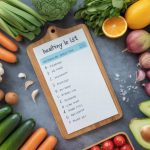
Grouping ingredients by category can make shopping for these recipes easier and more economical. The list below covers all staples required to prepare the five dishes, assuming a small household. Quantities can be scaled according to your needs.
Fresh produce:
- Carrots (3–4 medium)
- Zucchini (1 medium)
- Celery (1 small bunch or a few stalks)
- Baby spinach (1 large bag) and/or kale (1 bunch)
- Broccoli florets (1 medium head or pre-cut equivalent)
- Baby bok choy or extra leafy greens (1 bunch, optional)
- Avocados (3–4 small/medium)
- Cucumber (1–2 small)
- Beet (1 small, optional)
- Bananas (2–3) or frozen berries (1 small bag)
- Mixed fresh berries for oats (1–2 cups total, fresh or frozen)
- Lemons and/or limes (2–3)
- Fresh ginger root (1 small piece)
- Fresh herbs: parsley and/or coriander (1 small bunch)
- Spring onions (1 small bunch, optional)
Animal proteins & dairy (or alternatives):
- Chicken breast or thighs (about 300–400 g cooked or 500 g raw)
- Salmon fillets (2, about 150–180 g each)
- Plain unsweetened yogurt or kefir (dairy or non-dairy, 1 small tub)
Plant proteins & grains:
- Quinoa (1 small bag, at least 500 g)
- Rolled oats (1 container, certified gluten-free if needed)
- Brown rice (1 small bag) or cauliflower rice (frozen or fresh, 1–2 packs)
Fermented foods:
- Chicken bone broth (carton or ingredients to make your own)
- Unpasteurized sauerkraut or mild kimchi (1 jar)
- Miso paste (white or yellow, 1 small tub)
- Apple cider vinegar with “mother” (1 bottle)
Nuts, seeds & nut butters:
- Chia seeds (1 small bag)
- Ground flaxseed (optional but useful, 1 small bag)
- Pumpkin seeds or sunflower seeds (1 small bag)
- Almond butter or other nut/seed butter (1 jar)
Oils, condiments & flavorings:
- Extra-virgin olive oil
- Avocado oil (optional)
- Sesame oil (small bottle)
- Tamari or low-sodium soy sauce (gluten-free if required)
- Dijon mustard
- Maple syrup or honey
- Ground turmeric (if fresh is not available)
- Ground cinnamon
- Sea salt and black pepper
- Sesame seeds (optional, for garnish)
Keeping many of these ingredients on hand—especially the pantry staples like grains, seeds, oils and seasonings—makes it easier to repeat and adapt these recipes over time. For individuals managing specific digestive conditions, it is always advisable to adjust portion sizes and ingredients in collaboration with a healthcare professional or dietitian. The recipes above are intended as a practical framework for integrating gut-conscious clean eating into everyday life, rather than as a one-size-fits-all prescription.