


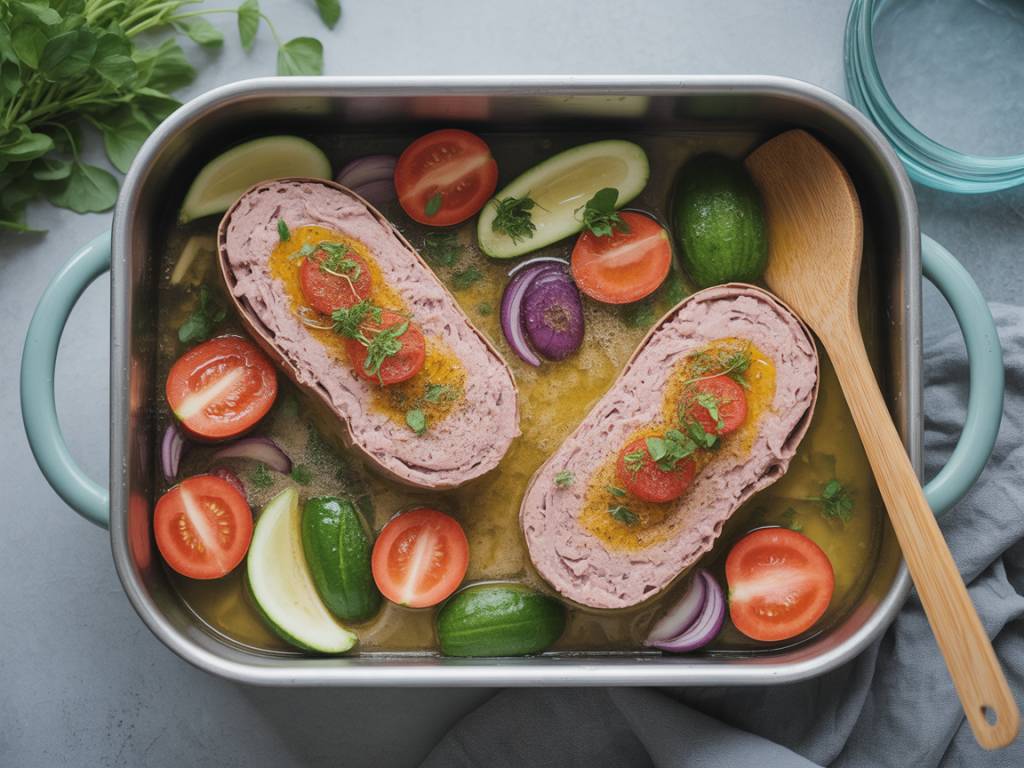
Why healthy batch cooking is worth your time
Batch cooking has moved beyond a niche trend to become a practical strategy for anyone juggling work, family and health goals. Preparing several meals at once not only saves time during the week, it also helps stabilize blood sugar, reduce food waste and support more balanced eating habits. With a few hours of focused cooking, you can secure a week of wholesome lunches and dinners that are ready to reheat and enjoy.
From a nutritional perspective, batch cooking offers two key advantages: you gain more control over ingredients, and you can design your menu for variety. By planning ahead, it becomes easier to include multiple sources of fiber, lean protein and healthy fats while limiting ultra-processed foods, excess salt and added sugars. For people managing conditions such as diabetes, hypertension or high cholesterol, this forward planning can be particularly helpful.
The seven ideas below are designed to be:
- Easy to scale for several portions
- Balanced in macronutrients (protein, complex carbs, fats)
- Rich in vegetables and fiber
- Adaptable for vegetarian or omnivorous diets
- Suitable for refrigeration or freezing
Each dish can be prepared on a Sunday afternoon and enjoyed throughout the week, either as a main meal or as part of a mix-and-match approach with shared sides and sauces.
Mediterranean roasted vegetable and chickpea tray bake
Tray bakes are a cornerstone of efficient batch cooking. This Mediterranean-inspired version relies on a base of colorful vegetables and chickpeas, providing a mix of fiber, plant protein and healthy fats.
On a large tray, combine cherry tomatoes, red onion, bell peppers, zucchini and eggplant with canned chickpeas (drained and rinsed). Toss with extra-virgin olive oil, garlic, oregano, thyme, smoked paprika, salt and pepper. Roast until the vegetables are caramelized at the edges and the chickpeas are slightly crisp.
Nutritionally, this dish offers:
- Plant-based protein from chickpeas to support satiety
- Monounsaturated fats from olive oil, linked with cardiovascular benefits
- Antioxidants from tomatoes, peppers and herbs
Once cooled, portion the tray bake into airtight containers. During the week, you can:
- Serve it warm over wholegrain couscous or quinoa
- Add a handful of baby spinach and serve as a salad with a squeeze of lemon
- Top with crumbled feta or toasted pine nuts for additional protein and texture
Herb-marinated chicken with roasted root vegetables
For those who include animal protein, marinating and roasting a batch of chicken at once is an efficient foundation for several meals. Choose skinless chicken thighs or breasts and marinate them with olive oil, lemon juice, garlic, rosemary, thyme and a pinch of salt.
On a separate tray, arrange a mix of carrots, parsnips, sweet potatoes and red onions. Toss with a modest amount of oil and sprinkle with cumin, paprika and black pepper. Roast until tender and lightly browned.
From a health perspective, this combination brings together:
- Lean protein to help maintain muscle mass and keep you full
- Slow-digesting carbohydrates from root vegetables for steadier energy
- Beta-carotene and other micronutrients from orange and yellow vegetables
Once cooked, slice the chicken and store it separately from the vegetables. This allows you to:
- Pair chicken and vegetables for a ready-made dinner
- Use leftover chicken in salads, wraps or grain bowls
- Blend roasted vegetables into a quick soup with vegetable stock
High-fiber lentil and vegetable soup
A pot of lentil soup is one of the most cost-effective and nutritionally dense dishes you can prepare ahead. Lentils are rich in plant protein, iron and soluble fiber, the latter known to support heart health and digestive comfort.
Start by sautéing onions, carrots and celery in a little olive oil. Add garlic, tomato paste, thyme, bay leaves and ground cumin. Stir in dried green or brown lentils, diced tomatoes and vegetable stock. Simmer until the lentils are tender. Toward the end of cooking, add chopped leafy greens such as kale or spinach.
The advantages of this soup include:
- Excellent satiety due to the combination of fiber and protein
- Stable storage: it keeps for several days in the fridge and freezes well
- Ease of customization with seasonal vegetables or spices
You can portion the soup into individual containers for easy grab-and-go lunches. Adding a spoonful of plain yogurt or a drizzle of herb oil when serving introduces extra flavor and a touch of creaminess without relying on heavy cream.
Quinoa, broccoli and tofu power bowls
Power bowls are popular in nutrition-conscious cooking because they bring together several food groups in one container: whole grains, vegetables, protein and often a small portion of healthy fats. They are also visually appealing, which may encourage better adherence to healthy eating patterns.
Cook a large batch of quinoa in low-sodium vegetable stock for added flavor. Roast or steam broccoli florets until just tender, preserving their bright color and crunch. Press firm tofu to remove excess moisture, then marinate it in tamari, ginger, garlic and a little sesame oil before roasting or pan-searing.
Assembling the bowls in advance involves layering:
- A base of quinoa
- Generous portions of broccoli and other vegetables such as grated carrot or edamame
- Cubes of tofu for plant-based protein
- A small container of dressing (tahini-lemon or miso-sesame) kept separate until serving
This combination supplies all essential amino acids from the pairing of quinoa and tofu, plenty of fiber and a range of vitamins and minerals. Keeping the dressing separate helps maintain texture and prevents the grains from becoming soggy over several days.
Overnight oats with fruit, nuts and seeds
Batch cooking applies to breakfast as well. Overnight oats are a practical way to secure a nutrient-rich start to the day without morning effort. Rolled oats, when soaked, become easier to digest and contribute beta-glucans, a type of soluble fiber associated with improved cholesterol profiles.
In a large bowl, mix rolled oats with milk or a plant-based alternative, plain yogurt, a pinch of cinnamon and a small amount of honey or maple syrup if desired. Portion into jars or containers. Before sealing, top each portion with a mix of berries, sliced fruit, nuts and seeds such as chia, flax or pumpkin seeds.
From a health angle, this breakfast offers:
- Slow-release carbohydrates to sustain energy across the morning
- Healthy fats and additional protein from nuts and seeds
- Phytonutrients and natural sweetness from fruit
These jars keep well for three to four days in the fridge. For a warmer version, you can briefly heat a portion on the stove or in the microwave, adding a splash of milk to loosen the texture.
Stuffed bell peppers with brown rice and beans
Stuffed bell peppers are a visually appealing make-ahead option that can be easily adapted for vegetarian, vegan or omnivorous diets. The concept is simple: hollowed-out peppers become edible containers for a balanced filling.
Cook brown rice or another whole grain such as bulgur or farro. In a pan, sauté onions, garlic and diced vegetables (zucchini, mushrooms, carrots) before adding cooked beans (black beans, kidney beans or cannellini), tomato sauce and spices such as paprika, cumin and oregano. Mix this filling with the cooked grain.
Fill halved bell peppers with the mixture, place them in a baking dish, cover and bake until the peppers are tender. If you consume dairy, a sprinkle of grated cheese toward the end of cooking adds extra protein and flavor.
These stuffed peppers provide:
- A mix of complex carbohydrates and fiber from brown rice and beans
- Additional protein from legumes
- Vitamin C and carotenoids from bell peppers
They reheat well and can be frozen individually. Serving them with a simple green salad or a spoonful of plain yogurt or plant-based alternative helps round out the meal.
Salmon and vegetable parcels with lemon and dill
For those who enjoy fish, preparing salmon in individual parchment parcels is both practical and gentle on the delicate flesh. Cooking en papillote (in a paper parcel) with vegetables and aromatics allows flavors to develop without excessive added fat.
On pieces of baking parchment, place a fillet of salmon on a bed of sliced zucchini, fennel, cherry tomatoes and thin lemon slices. Season with salt, pepper, fresh dill and a small drizzle of olive oil. Fold the parchment tightly to seal each parcel, then bake until the salmon is just cooked through.
This method has several advantages:
- Minimal clean-up, as each parcel is self-contained
- Portion control made easy by individual servings
- Preservation of omega-3 fatty acids thanks to gentle cooking
Once cooled, parcels can be refrigerated for up to two days. To serve, reheat briefly in the oven or enjoy the salmon cold, flaked over salads or paired with whole grains such as barley or brown rice. Adding a spoonful of plain yogurt mixed with mustard and herbs creates a quick, light sauce.
Practical tips for safe and efficient batch cooking
To make these seven meal ideas work seamlessly in your routine, a few practical guidelines are helpful:
- Cool cooked foods quickly and refrigerate within two hours to limit bacterial growth.
- Store meals in shallow containers so they chill more evenly.
- Label containers with the preparation date and contents.
- Rotate between different protein sources (legumes, fish, poultry, tofu) for nutritional variety.
- Prepare one or two versatile sauces or dressings that can tie together several dishes.
Healthy batch cooking does not require elaborate recipes or professional skills. It does, however, benefit from a bit of planning and a realistic assessment of your schedule. Starting with just two or three of these dishes and gradually expanding your repertoire can turn a single cooking session into a powerful ally for your well-being throughout the week.