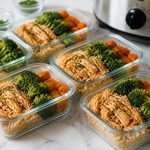

Healthy breakfast options fast food for busy mornings
Busy mornings do not always leave room for a leisurely bowl of porridge or a perfectly prepared green smoothie. Sometimes the alarm wins, the commute is already underway, and breakfast has to come from a drive-through, coffee shop or supermarket counter. The good news? Fast food does not automatically mean a poor nutritional choice.
With a little planning, you can find a breakfast that is filling, reasonably balanced and convenient enough for real life. The key is to look beyond oversized pastries and sugar-heavy drinks, then build your meal around protein, fibre and sensible portions. Here are practical healthy breakfast options for busy mornings, whether you are eating on the move or grabbing something quickly before work.
What makes a fast-food breakfast healthier?
A useful breakfast does not need to be perfect. It simply needs to keep you satisfied and provide steady energy for the morning. Before choosing, look for three essentials:
- Protein: Eggs, Greek yoghurt, milk, beans or lean meat can help you feel full for longer.
- Fibre: Fruit, oats, wholegrain bread and vegetables support digestion and make a meal more satisfying.
- Moderate added sugar and salt: Sweet drinks, pastries and processed breakfast meats can quickly push up sugar or sodium intake.
It is also worth considering the whole meal rather than one individual item. A breakfast sandwich may be perfectly reasonable, but adding a large sugary coffee and a pastry can turn a quick meal into a much heavier start to the day. Small swaps often make the biggest difference.
Choose an egg-based breakfast sandwich
An egg sandwich is one of the most practical fast-food breakfasts because it combines protein with carbohydrates in a portable format. Look for options made with an egg, wholegrain or toasted bread, and a modest amount of cheese. If available, add vegetables such as tomatoes, spinach, mushrooms or peppers.
Egg and cheese muffins, breakfast wraps and breakfast rolls can all work well. The less helpful versions tend to be those loaded with bacon, sausage, hash browns and creamy sauces. There is nothing wrong with enjoying these occasionally, but they may be higher in saturated fat and salt than you need for an everyday breakfast.
When ordering, consider these simple adjustments:
- Choose an egg-based sandwich rather than a pastry filled with jam or cream.
- Select grilled fillings where possible.
- Skip an extra portion of cheese if the sandwich already contains a rich sauce.
- Add fruit or a plain yoghurt instead of a fried side.
- Choose water, tea or coffee with little added sugar.
If you are particularly hungry, a breakfast sandwich with fruit is generally more satisfying than a single pastry. It gives you a better balance of protein, carbohydrates and fibre without requiring a knife and fork.
Try porridge with fruit and nuts
Porridge is one of the most reliable breakfast choices for a busy morning. Many coffee shops and fast-casual restaurants now offer oats, and supermarkets sell chilled porridge pots that can be eaten at a desk. Oats provide fibre, including beta-glucan, which contributes to a satisfying meal.
The toppings are where the nutritional picture can change. A plain or lightly sweetened porridge topped with berries, banana or a few nuts is a sensible option. A porridge covered in caramel sauce, chocolate pieces and a sugary syrup is closer to dessert in a breakfast cup.
Ask for or choose:
- Fresh or dried fruit in a moderate portion.
- Seeds or nuts for extra texture and healthy fats.
- Milk or yoghurt for additional protein.
- Cinnamon for flavour without relying on extra sugar.
One practical tip: if the portion looks small, pair porridge with a boiled egg or a plain yoghurt rather than buying a second sweet item. This combination is more likely to keep you going through a long morning meeting.
Build a breakfast from supermarket staples
A supermarket can be one of the best places to find a fast, balanced breakfast. You are not limited to the hot-food counter or bakery aisle. A few simple products can create a meal in less than five minutes.
- A plain Greek yoghurt with berries and a small handful of nuts.
- A banana with a lower-sugar protein yoghurt.
- A boiled egg with wholegrain toast or a seeded roll.
- A piece of fruit with a small pot of cottage cheese.
- Overnight oats with milk, fruit and seeds.
- A wholegrain breakfast wrap with egg and vegetables.
Read the label on ready-made breakfast pots. “Healthy” packaging does not always mean low in sugar, and granola can contain more syrup or oil than expected. Compare products and look at the ingredients list as well as the nutrition panel. A shorter ingredients list is not automatically better, but it can make it easier to understand what you are eating.
If you regularly have rushed mornings, keep a small emergency kit at work or in your bag. Unsalted nuts, oatcakes, shelf-stable milk, fruit and low-sugar cereal bars can prevent the familiar situation where hunger turns the nearest doughnut display into a complete meal plan.
Make smarter choices at a coffee shop
For many people, breakfast means coffee first and food second. The drink itself can be surprisingly filling in calories when it includes flavoured syrup, whipped cream and sweetened toppings. A large flavoured latte may contain considerably more sugar than expected, especially when paired with a muffin.
You do not have to drink black coffee if that is not your preference. Try a smaller size, semi-skimmed milk or an unsweetened alternative. Ask for fewer pumps of syrup, or choose cinnamon and nutmeg for extra flavour. Tea, Americano coffee and flat whites can also be sensible choices, depending on how they are prepared.
For food, consider choosing:
- A wholegrain breakfast sandwich with egg.
- A plain yoghurt with fruit.
- A porridge pot with minimal added sugar.
- A toasted wholegrain bagel with a light spread.
- A fruit portion alongside a protein-rich item.
Muffins, croissants and pastries are convenient, but they are often low in protein and fibre. If you genuinely fancy one, enjoy it mindfully and balance the rest of the meal with a yoghurt, milk-based coffee or fruit. Healthy eating is not improved by turning breakfast into a moral debate before 8 a.m.
Look for grilled rather than fried options
Fast-food menus often include breakfast items prepared in several ways. Grilled or baked choices are usually a better everyday option than fried alternatives, as they may contain less added fat. This is especially useful when comparing breakfast wraps, chicken products, potato sides and sandwiches.
A grilled breakfast wrap containing egg, vegetables and a lean protein can be both convenient and filling. If the wrap also contains a creamy dressing, ask whether it can be served on the side or left out. Sauces can add flavour, but they can also contribute a surprising amount of calories, sugar or salt.
Fried potato sides are another area where portions matter. A small serving can fit into an occasional breakfast, but you may not need one alongside a sandwich and a sweet drink. Fruit, yoghurt or simply skipping the side can make the meal lighter without leaving you hungry.
Do not overlook beans and vegetarian choices
Vegetarian breakfast options can be excellent sources of fibre and plant protein. Baked beans on wholegrain toast, a vegetable and egg wrap, hummus with wholegrain bread, or a yoghurt-and-fruit pot can all work well on a busy morning.
Beans are particularly useful because they provide fibre and plant-based protein. Watch the portion of butter, cheese and fried items often served with a traditional cooked breakfast. A plate built around beans, eggs, grilled tomatoes and mushrooms is generally more balanced than one dominated by sausages, bacon and fried bread.
Plant-based does not always mean nutritious. Some meat-free breakfast sausages and pastries can be highly processed or high in salt. If you choose a plant-based option, check the ingredients and nutrition information when it is available. Combining it with fruit, oats or wholegrain bread can improve the overall balance.
Use the “protein plus produce” rule
When menu choices are confusing, use a simple formula: pair one source of protein with one fruit or vegetable. This approach works in almost any fast-food setting.
- Egg sandwich plus an apple.
- Greek yoghurt plus berries.
- Beans on toast plus grilled tomatoes.
- Milk-based coffee plus a banana and oatcakes.
- Breakfast wrap plus a fruit pot.
This rule is flexible and does not require detailed calorie counting. It simply helps prevent a breakfast made entirely from refined carbohydrates, such as a pastry and sweet drink. Protein and produce also make it easier to feel satisfied without choosing the largest item on the menu.
Be careful with breakfast drinks
Smoothies and juices can appear healthy because they contain fruit, but liquid calories are easy to consume quickly. A large fruit juice may provide a considerable amount of natural sugar while offering less fibre than whole fruit. Smoothies may be more filling if they contain yoghurt, milk, oats or seeds, but always check whether syrups or sweetened bases have been added.
Water is the simplest choice, but unsweetened tea, coffee and sparkling water can also work. If you want juice, choose a small serving and have it with food rather than treating it as the entire breakfast. Whole fruit is usually more satisfying because it takes longer to eat and contains more intact fibre.
Prepare two-minute breakfasts at home
Some of the fastest “fast-food” breakfasts can be prepared at home before you leave. Overnight oats take a few minutes to assemble the night before: combine oats, milk or yoghurt, chia seeds and fruit in a jar, then refrigerate. In the morning, take it with you.
Other quick combinations include a wholegrain toast sandwich with peanut butter and banana, a boiled egg with fruit, or a yoghurt pot topped with oats and berries. Keep ingredients visible and ready to use. Convenience is not only about cooking time; it is also about reducing the number of decisions you need to make while half-awake.
A useful Sunday habit is to prepare a few boiled eggs, wash fruit and portion nuts into small containers. These small jobs can save money, reduce reliance on impulse purchases and make healthy eating much more realistic during a demanding week.
Simple swaps that make a difference
You do not need to transform every breakfast at once. Start with one swap that feels easy:
- Swap a sugary drink for water, tea or an unsweetened coffee.
- Choose a breakfast sandwich with egg instead of a sweet pastry.
- Choose a small or regular portion instead of the largest size.
- Add fruit to a yoghurt or porridge-based breakfast.
- Choose wholegrain bread where available.
- Ask for sauces and syrups on the side.
- Choose grilled fillings instead of fried ones.
These decisions may seem small, but repeated daily choices have a meaningful effect over time. The goal is not to make every rushed breakfast Instagram-worthy. It is to create a dependable routine that gives you energy, keeps hunger manageable and fits the way your mornings actually work.
A realistic breakfast plan for the working week
For Monday, try overnight oats with banana and pumpkin seeds. On Tuesday, choose an egg and vegetable breakfast wrap with coffee. Wednesday could be a supermarket yoghurt, berries and a small handful of nuts. On Thursday, have beans on wholegrain toast with grilled tomatoes. Friday might be the day for a breakfast sandwich or a pastry enjoyed alongside a protein-rich yoghurt and fruit.
There is room for convenience, enjoyment and flexibility. A healthy breakfast is not defined by whether it came from your kitchen. It is defined by how well it supports your appetite, energy and overall eating pattern. Next time you are rushing through breakfast, look for protein, fibre and a sensible drink. That simple checklist can turn fast food into a far more balanced start to the day.