


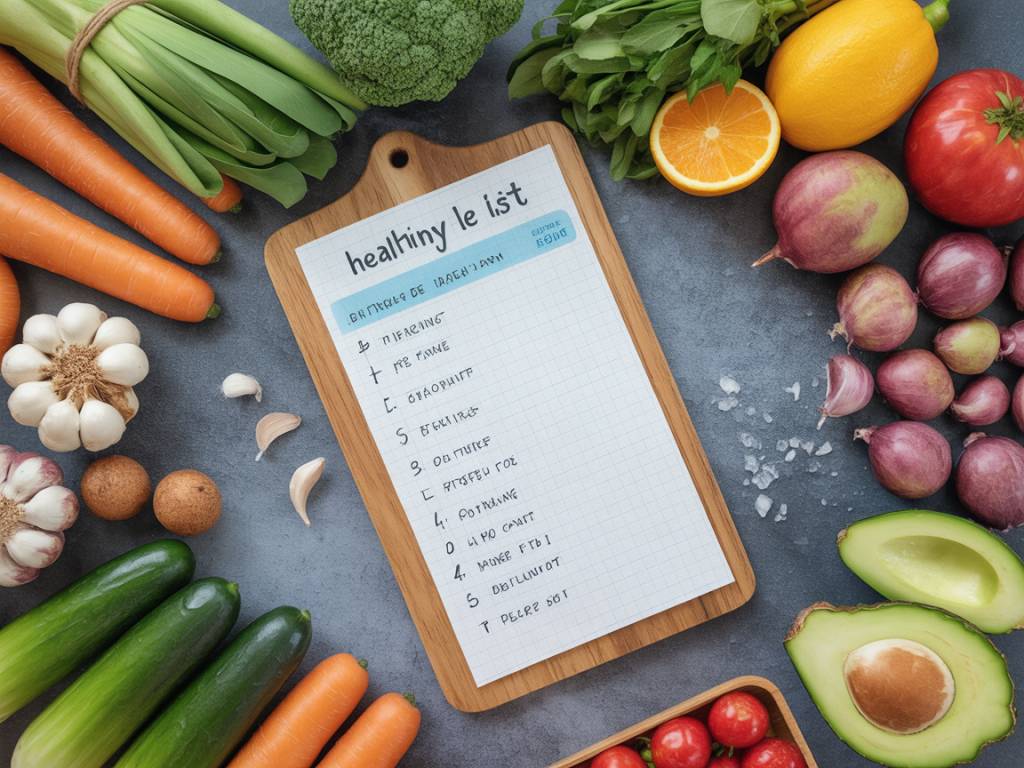
Walking into a supermarket without a plan is one of the fastest ways to derail your clean eating goals. Bright packaging, strategically placed processed foods, and hunger-fuelled impulse buys can all sabotage even the best intentions. The good news? Learning how to build a healthy shopping list for clean eating is a skill that takes just a little preparation — and pays off every single week in better meals, less food waste, and real, lasting results.
What Clean Eating Actually Means for Your Shopping Trolley
Clean eating isn’t a diet with a strict rulebook — it’s a philosophy built around choosing foods that are as close to their natural state as possible. That means prioritising whole ingredients, avoiding artificial preservatives and added sugars, and minimising ultra-processed products. When this mindset shapes your shopping list, every item in your trolley becomes a deliberate, nourishing choice rather than a convenient afterthought.
Studies show that people who plan their meals in advance have significantly higher diet quality scores and are less likely to rely on fast food or ready meals. Planning is, quite simply, the foundation of clean eating success.
How to Build a Healthy Shopping List for Clean Eating: Start Before the Shop
The most effective clean eating shopping lists are built at home, not decided in the aisle. Before you write a single item down, take these steps:
- Plan your meals for the week: Map out breakfast, lunch, dinner, and snacks across seven days. This reveals exactly what you need and nothing more.
- Check your pantry first: Avoid duplicate purchases and reduce waste by auditing what you already have.
- Organise your list by store section: Group produce, proteins, dairy, grains, and pantry staples together to shop efficiently and avoid backtracking.
- Eat before you go: Shopping on an empty stomach increases impulsive, less healthy purchases by up to 64%, according to research published in JAMA Internal Medicine.
Fresh Produce: The Heart of Any Clean Eating List
Fruits and vegetables should take up the largest portion of your shopping list — and your plate. They deliver fibre, antioxidants, vitamins, and minerals that support everything from immunity to gut health. Aim for variety by shopping the full colour spectrum each week.
Vegetables to Prioritise
- Leafy greens: Spinach, kale, Swiss chard, and rocket are rich in iron, calcium, folate, and Vitamin K.
- Cruciferous vegetables: Broccoli, cauliflower, Brussels sprouts, and cabbage contain sulforaphane, a compound with well-documented anti-inflammatory properties.
- Root vegetables: Sweet potatoes, carrots, and beetroot offer complex carbohydrates, fibre, and beta-carotene.
- Alliums: Garlic, onions, and leeks are cheap, versatile, and loaded with prebiotic compounds that feed beneficial gut bacteria.
Fruits to Add to Your List
- Berries: Blueberries, raspberries, and strawberries are among the highest antioxidant foods per calorie.
- Citrus: Oranges, lemons, and grapefruits provide Vitamin C and flavonoids.
- Bananas and apples: Affordable, portable, and naturally energising.
- Avocados: A source of heart-healthy monounsaturated fats and potassium.
Where budget allows, opt for organic versions of high-pesticide produce. Refer to the Environmental Working Group’s annual Dirty Dozen™ list — strawberries, spinach, and apples consistently top it.
Whole Grains and Legumes: Sustained Energy Without the Crash
Unlike refined carbohydrates, whole grains retain their bran and germ, meaning they digest more slowly and deliver steady energy rather than blood sugar spikes. Legumes add a powerful punch of plant-based protein and soluble fibre — particularly important if you’re reducing your meat intake.
- Whole grains to stock: Brown rice, quinoa, rolled oats, barley, farro, and wholegrain bread or pasta.
- Legumes to include: Red lentils, green lentils, chickpeas, black beans, and kidney beans — tinned versions are perfectly fine; just rinse them to reduce sodium content by up to 40%.
When buying oats or grain-based products, check labels for added sugars, flavourings, or preservatives — a clean option should have one ingredient: the grain itself.
Quality Proteins for Muscle, Mood, and Metabolism
Protein is essential for muscle repair, hormone production, and keeping you full between meals. Clean eating favours proteins that are minimally processed and responsibly sourced.
Animal Proteins
- Poultry: Skinless chicken breast or turkey provides lean protein with low saturated fat.
- Seafood: Wild-caught salmon, sardines, and mackerel deliver omega-3 fatty acids, which support brain and heart health. Aim for two portions per week.
- Eggs: Free-range or pasture-raised eggs are rich in choline, omega-3s, and all nine essential amino acids.
Look for labels such as organic, grass-fed, pasture-raised, or wild-caught when choosing animal products.
Plant-Based Proteins
- Tofu and tempeh: Versatile soy-based options that absorb flavour well and work across cuisines.
- Edamame: One cup delivers around 17g of protein alongside fibre and Vitamin K.
- Natural nut butters: Almond or peanut butter with no added sugar or palm oil makes a satisfying protein-rich snack.
Dairy and Alternatives: Reading Labels Is Non-Negotiable
Dairy can absolutely feature on a clean eating shopping list — the key is choosing minimally processed options with no added sugars or unnecessary additives.
- Plain Greek yogurt: High in protein and probiotics; avoid flavoured versions which often contain as much sugar as a dessert.
- Hard cheeses: Cheddar, feta, and mozzarella tend to have short, recognisable ingredient lists.
- Dairy alternatives: Unsweetened almond, oat, or cashew milk work well — but scan labels for added sugars, carrageenan, and artificial flavours before buying.
Pantry Staples That Power a Clean Eating Kitchen
A well-stocked clean pantry means you’re always minutes away from a nourishing meal, even on the busiest evenings. These are the items worth keeping on your regular shopping list:
- Healthy cooking oils: Extra virgin olive oil (rich in polyphenols), avocado oil (high smoke point), and unrefined coconut oil.
- Nuts and seeds: Almonds, walnuts, chia seeds, flaxseeds, and pumpkin seeds for snacking, topping, and cooking.
- Herbs and spices: Turmeric, cumin, smoked paprika, oregano, and cinnamon add flavour without sodium or calories.
- Clean condiments: Tahini, Dijon mustard, balsamic vinegar, and tamari (lower-sodium soy sauce alternative) elevate meals without compromising your goals.
A simple rule of thumb: if a packaged pantry item has more than five ingredients — or contains anything you can’t pronounce — put it back on the shelf.
Hydration: The Most Overlooked Part of Your Shopping List
What you drink matters just as much as what you eat. Sugary soft drinks, flavoured lattes, and alcohol add empty calories and can contribute to inflammation over time. Build these into your clean eating shopping list instead:
- Still and sparkling water: Your primary beverage. Add sliced lemon, cucumber, or fresh mint for variety.
- Herbal teas: Peppermint, chamomile, and rooibos are caffeine-free and naturally soothing.
- Green tea: Rich in EGCG antioxidants and lightly caffeinated — a smart coffee alternative.
- Coffee: Fine in moderation; choose organic or fair-trade beans and skip sugary syrups and artificial creamers.
Foods to Reduce or Remove from Your List
Clean eating isn’t about perfection — but consistently reducing these items will make a measurable difference to your health and energy levels:
- Ultra-processed snacks: crisps, biscuits, and confectionery
- Sugary breakfast cereals and flavoured instant oats
- Fizzy drinks and sweetened fruit juices
- Refined white flour products and white rice (swap for wholegrain versions)
- Processed meats containing nitrates, additives, or fillers (bacon, deli meats, sausages)
- Margarine and spreads made with hydrogenated vegetable oils
- Ready meals with long ingredient lists and high sodium content
Putting It All Together: Your Clean Eating Shopping Routine
Building a healthy shopping list for clean eating becomes second nature with repetition. Start by planning your meals, write your list section by section, and stick to the perimeter of the supermarket where the freshest, least-processed foods tend to live. Over time, your trolley will reflect your values — whole, real, nourishing food that fuels every part of your life.
At Eat Clean Direct, every product is chosen with exactly this philosophy in mind — making it easier than ever to shop clean without the guesswork.