


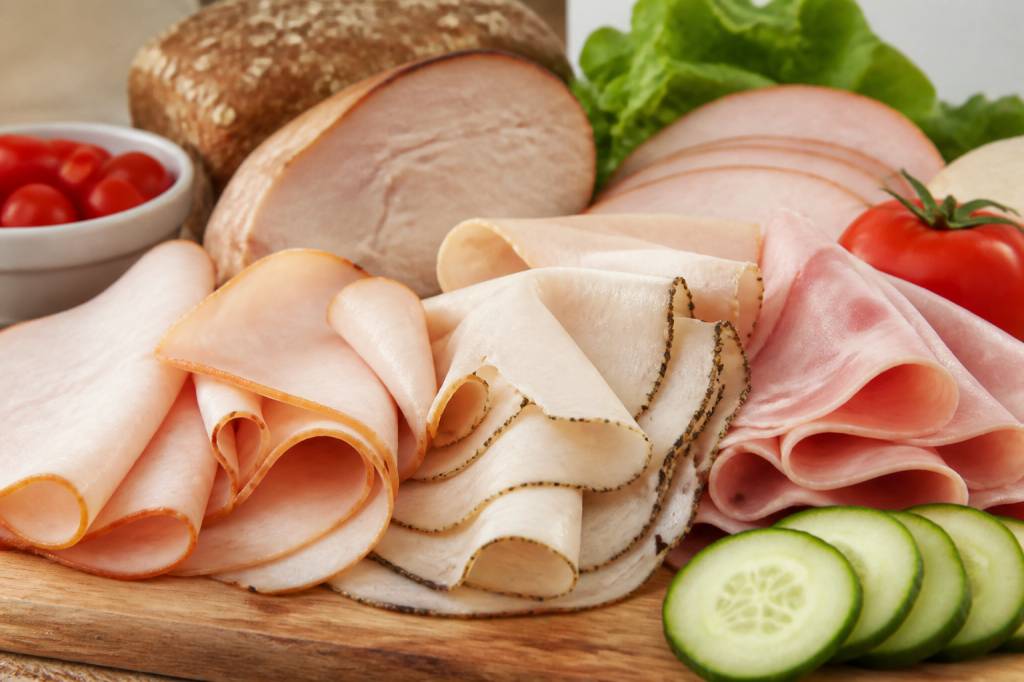
Deli meat can be wonderfully convenient. A few slices can turn a piece of toast into lunch, add protein to a salad, or rescue a very busy weekday when cooking feels like an ambitious project. But convenience does not automatically equal a healthy choice. Some products are lean and simple, while others are packed with salt, saturated fat and additives.
So, how do you choose the healthiest deli meat for a balanced diet? The answer is not about banning ham or never buying sliced turkey again. It is about knowing what to look for, understanding portion sizes and treating processed meat as one part of a varied eating pattern.
Here is a practical guide to making better choices at the supermarket or deli counter, without turning lunchtime into a detective drama.
What counts as deli meat?
Deli meat, also called cold cuts or luncheon meat, usually refers to meat that has been cooked, cured, smoked, seasoned or otherwise prepared before being sliced. Common examples include ham, turkey breast, chicken, roast beef, pastrami, corned beef, salami, pepperoni and bologna-style products.
These products are not all nutritionally equal. A freshly roasted chicken breast sliced at home is very different from a highly processed meat product containing several preservatives, flavourings and a generous amount of salt.
The key distinction is often between minimally processed meat and processed meat. Cooked chicken or beef that has simply been seasoned and sliced has generally undergone less processing than cured meats such as salami, chorizo or bacon-style products.
Start with the ingredient list
The front of the packet may make bold claims such as “lean”, “premium” or “high protein”. These can be useful, but the ingredient list tells you what you are actually buying.
Look for products with meat near the top of the list and a relatively short, recognisable ingredient list. A simple turkey breast product might contain turkey, water, salt and a few seasonings. A more processed option may include starches, glucose syrup, stabilisers, smoke flavouring and several preservatives.
A long ingredient list does not automatically make a food unhealthy, and some additives are used safely to maintain quality. However, a simpler product is often easier to fit into a balanced diet, particularly if you are trying to reduce your intake of highly processed foods.
When comparing products, keep an eye out for:
- Added water: this can improve texture and increase the product’s weight, but it may also mean you are paying for water rather than meat.
- Starches and sugars: these may be included in processed slices, especially luncheon meat or glazed products.
- Nitrates and nitrites: commonly used in cured meats to preserve colour and prevent harmful bacterial growth.
- Smoke flavouring: not necessarily a problem, but it indicates that the smoky taste may not come from traditional smoking.
- Allergens: some products contain milk, soya, wheat or other ingredients that may not be obvious from the name.
Compare the nutrition panel
The nutrition panel is where the real comparison begins. Focus especially on salt, saturated fat and protein. Calories matter too, but a low-calorie product is not automatically the best option if it is extremely salty or leaves you hungry half an hour later.
In the UK, nutrition information is usually provided per 100g, which makes comparing brands much easier. Check the figures rather than relying only on traffic-light colours, as serving sizes can vary.
Salt
Salt is often the biggest nutritional issue with deli meat. Curing, brining and seasoning can push the salt content surprisingly high. Eating a salty sandwich occasionally is not a concern for most healthy people, but regularly choosing high-salt foods can make it harder to stay within recommended limits.
As a general shopping rule, compare similar products and choose the one with the lowest salt content that still tastes enjoyable. “Reduced salt” can be helpful, but check the label because reduced does not always mean low.
If the meat is being served with cheese, pickles, crisps or a salty spread, the total meal may contain considerably more salt than the deli meat alone. Balance matters across the plate, not just inside the packet.
Saturated fat
Fat content varies considerably. Lean turkey, chicken and some roast beef products are often lower in saturated fat than salami, pepperoni, pâté or fatty pork products.
Look at the saturated fat figure rather than simply choosing the product labelled “low fat”. Some low-fat meats compensate with extra salt or sugar, while a slightly higher-fat option may have a shorter ingredient list and be more satisfying. Your overall eating pattern is more important than finding one perfect product.
Protein
Deli meat can provide useful protein, especially in a quick lunch. However, do not assume every sliced product is protein-rich. Some products contain added water and other ingredients that reduce the proportion of meat.
Compare protein per 100g and consider how much you are actually using. A sandwich containing 50g of turkey will provide a different amount of protein from one containing 100g. More is not always better, but a modest serving can contribute nicely to a balanced meal.
Which deli meats are usually better choices?
There is no single “healthiest” deli meat for everyone. Your choice depends on taste, budget, dietary needs and how often you eat it. Still, some options tend to be easier to fit into a balanced diet.
- Sliced turkey breast: often lean and high in protein, particularly when it contains a high percentage of turkey and modest salt.
- Sliced chicken breast: a versatile option for sandwiches, salads and wraps. Look for products that are simply cooked and seasoned.
- Lean roast beef: can provide protein, iron and vitamin B12. Choose lean cuts and check the salt content.
- Lower-salt ham: useful in moderation, especially when paired with plenty of vegetables and a lower-salt filling.
- Freshly sliced meat from the deli counter: sometimes less processed, although this is not guaranteed. Ask about ingredients and preparation if you are unsure.
Products such as salami, pepperoni, chorizo and pâté can still be enjoyed, but they are generally higher in salt and saturated fat. Think of them as flavour ingredients rather than the main source of protein. A few slices scattered through a salad or added to a sandwich can provide plenty of taste without dominating the meal.
Processed meat and your long-term health
Health organisations, including the NHS, advise limiting processed meat. Research has linked higher intakes of processed meat with increased health risks, particularly when it is eaten frequently and in large amounts.
This does not mean that one ham sandwich has ruined your diet. Nutrition is not a pass-or-fail exam. The more useful question is: how often do you eat processed meat, how much do you eat, and what else is on your plate?
If deli meat appears at most lunches, try rotating your protein sources. Eggs, tinned fish, hummus, beans, lentils, leftover roast chicken, cottage cheese or unsalted nuts can all bring variety. Even replacing two or three deli-meat lunches each week can make your overall pattern more diverse.
Pay attention to portion size
A generous handful of slices can quietly become a much larger serving than you intended. Weighing deli meat once or twice can help you understand what a typical portion looks like. You do not need to weigh every sandwich forever; this is simply a useful reality check.
For many meals, around 50–75g of sliced meat is enough, depending on your energy and protein needs and what else you are eating. A sandwich with a sensible portion of turkey, plenty of salad and a wholegrain roll can be more balanced than a towering sandwich filled with meat but very little fibre.
Try building the meal around more than the cold cuts. Add tomatoes, cucumber, grated carrot, rocket, lettuce, peppers or roasted vegetables. These ingredients bring colour, crunch, fibre and valuable micronutrients—plus they make the sandwich look considerably less like a stack of beige paperwork.
Make the whole meal healthier
The healthiest deli meat can still become part of an unbalanced meal if it is paired with refined bread, salty crisps and a sugary drink every day. Fortunately, small changes can make a substantial difference.
- Choose wholegrain or seeded bread for more fibre.
- Add at least two types of vegetables or salad.
- Use mustard, yoghurt-based dressings or mashed avocado instead of large amounts of butter or mayonnaise.
- Pair a salty meat with fresh foods rather than pickles, crisps and processed cheese all at once.
- Include fruit or plain yoghurt on the side if you need a more filling lunch.
- Drink water, sparkling water or unsweetened tea instead of sugary drinks.
For example, sliced turkey can work well in a wholegrain wrap with hummus, spinach, grated carrot and cucumber. Roast beef can be served with tomato, rocket and horseradish yoghurt. A small amount of salami can add flavour to a bean and vegetable salad without becoming the entire meal.
Choosing deli meat at the counter
The deli counter gives you the chance to ask questions and request a smaller amount, which can reduce waste. Ask whether the meat is freshly cooked, cured or smoked, and whether the staff can tell you the salt content or ingredients.
Be cautious with descriptions such as “traditional”, “artisan” or “farmhouse”. These terms may describe flavour or production style, but they do not necessarily mean the product is lower in salt or fat. Let the nutrition information guide you.
Buying a smaller quantity is also sensible if you only eat deli meat occasionally. Freshly sliced products may have a shorter shelf life, so check the use-by date and follow storage instructions carefully.
Food safety matters too
Keep deli meat refrigerated and follow the storage instructions on the packaging. Once opened, use it within the recommended time and avoid leaving it at room temperature for long periods.
Pregnant people and anyone with a weakened immune system may need to take extra care with chilled ready-to-eat meats. Follow current NHS or medical advice, as recommendations can vary depending on the product and personal circumstances. When in doubt, ask a healthcare professional rather than relying on a social media comment posted beside a picture of a smoothie.
A simple shopping checklist
When you are standing in front of the chilled shelves, use this quick checklist:
- Is the product mainly meat, or does it contain a large amount of added water and fillers?
- How much salt does it contain per 100g?
- Is it low or moderate in saturated fat?
- Does it provide a useful amount of protein?
- Can I choose a less processed alternative?
- How often will I eat it?
- What will I serve alongside it?
The best everyday choice is often a minimally processed chicken, turkey or lean beef product with a reasonable salt content. But the best sustainable choice is one you enjoy, can afford and can use as part of a varied diet. If a lower-salt option tastes like cardboard, you may abandon it after two lunches. Try different brands, add herbs and vegetables, or mix a small amount of a stronger-flavoured meat with a milder one.
Deli meat can have a place in balanced eating. Choose thoughtfully, keep portions sensible, vary your protein sources and make the rest of the meal work harder. That way, convenience becomes a useful tool—not the nutritional boss of your lunchbox.