Sweet potatoes tortillas: a healthy homemade recipe for everyday meals
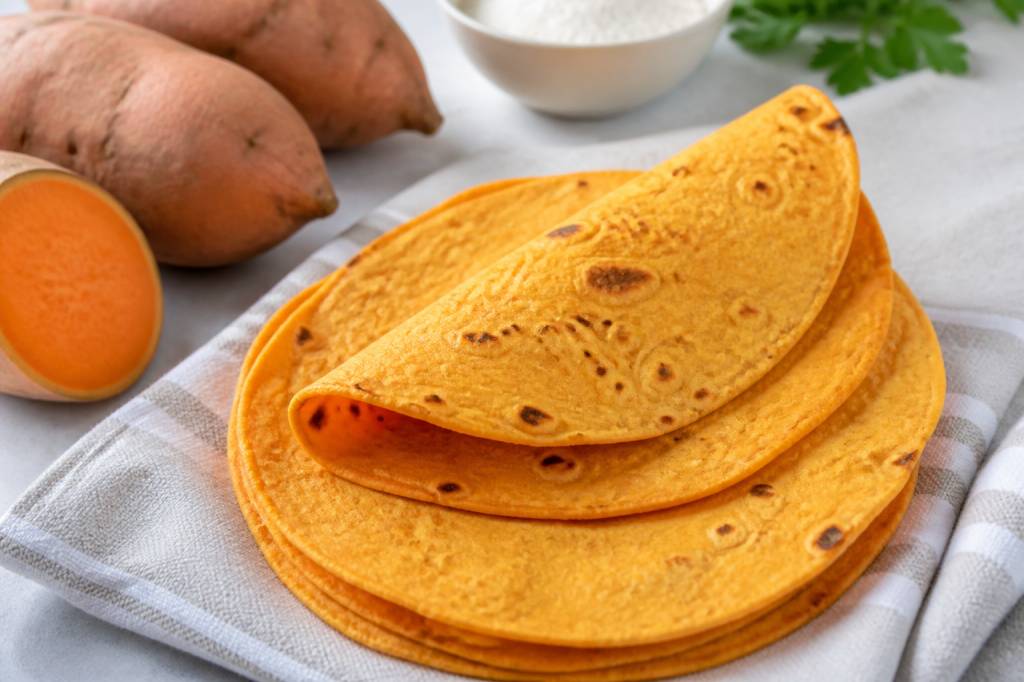
Soft, flexible and naturally golden, sweet potato tortillas are a brilliant homemade alternative to standard wraps. They need only a few everyday ingredients, come together without special equipment and work beautifully for breakfast, lunch, dinner or a quick snack.
Unlike many packaged tortillas, these are made without preservatives or a long list of unfamiliar ingredients. The sweet potato brings gentle sweetness, colour and moisture, while flour helps create a dough that can be rolled thinly and cooked in a hot pan. The result is a tender flatbread with enough structure to hold your favourite fillings.
And if you have ever looked at a lonely sweet potato in the vegetable drawer and wondered what to do with it, this recipe is a very good answer.
Why make sweet potato tortillas?
Homemade tortillas are often easier than people expect. There is no yeast, no lengthy proving time and no complicated shaping technique. Once the sweet potato is cooked, the dough takes just a few minutes to prepare.
Sweet potatoes also offer more than a pleasant colour. They provide fibre, potassium and beta-carotene, which the body converts into vitamin A. They are naturally sweet, satisfying and versatile, making them a useful ingredient for balanced everyday meals.
These tortillas are not intended to replace every food in your kitchen, nor are they a magical solution to healthy eating. They are simply a practical way to add more vegetables to a familiar meal while keeping the ingredient list straightforward.
Their soft texture makes them especially useful for:
- Breakfast wraps with scrambled eggs and spinach
- Lunches filled with hummus, roasted vegetables and salad leaves
- Fajitas with beans, peppers and avocado
- Quick quesadillas with cheese and leftover chicken
- Snack-sized wraps with nut butter, banana or yoghurt
Ingredients for sweet potato tortillas
This recipe makes approximately eight small to medium tortillas. You can adjust the size depending on how you plan to use them.
- 250 g cooked sweet potato flesh, approximately one large sweet potato
- 180 g plain flour, plus extra for rolling
- ½ teaspoon fine sea salt
- 1 tablespoon olive oil, optional
- 1–3 tablespoons water, only if needed
Plain white flour gives the softest and most flexible result. Wholemeal flour can be used for extra fibre and a more substantial flavour, although the tortillas may be slightly less pliable. A useful compromise is to replace half of the plain flour with wholemeal flour.
For a gluten-free version, use a reliable gluten-free flour blend designed for flatbreads. Results can vary between brands, so add the flour gradually and allow the dough to rest before deciding whether it needs more liquid.
How to cook the sweet potato
The sweet potato needs to be completely soft before it is mixed into the dough. Baking is ideal because it removes excess moisture and concentrates the flavour.
To bake it, prick the skin several times with a fork and place the sweet potato on a baking tray. Cook at 200°C, or 180°C fan, for 40–55 minutes, depending on its size. It is ready when a knife slides easily into the centre.
Allow it to cool slightly, then split it open and scoop out the flesh. Mash until smooth, removing any firm pieces. If you are short on time, you can microwave the sweet potato for around 6–10 minutes, turning it halfway through. The microwave method is convenient, although the flesh may contain more moisture, so you might need a little extra flour.
A small practical tip: cook an extra sweet potato while the oven is on. The leftovers can be used in soup, grain bowls, porridge or another batch of tortillas later in the week.
Step-by-step recipe
Prepare the dough. Add the mashed sweet potato, flour and salt to a mixing bowl. Add the olive oil if using. Mix with a spoon or your hands until the ingredients begin to form a rough dough.
The dough should feel soft but not wet. If it sticks heavily to your fingers, sprinkle in a little more flour. If it looks dry or breaks apart, add water one tablespoon at a time. Sweet potatoes vary in size and moisture, so this small adjustment is perfectly normal.
Knead briefly. Turn the dough onto a lightly floured surface and knead for two to three minutes. You are not trying to develop a strong bread-like gluten structure. The aim is simply to create a smooth, evenly mixed dough.
Shape it into a ball, place it back in the bowl and cover it with a clean tea towel. Let it rest for 15–20 minutes. This gives the flour time to absorb moisture and makes the dough much easier to roll. Skipping this step can leave you wrestling with tortillas that spring back like tiny edible trampolines.
Divide and roll. Cut the dough into eight equal pieces. Roll each piece into a ball, then flatten it gently with your palm.
Lightly flour your work surface and roll each portion into a thin circle, approximately 15–18 cm wide. Rotate the dough as you roll to prevent sticking. Do not worry if your tortillas are not perfectly round. Homemade food is allowed to have personality.
Try to roll them evenly. If the centre is much thicker than the edges, the tortilla will take longer to cook and may not fold as easily.
Cook in a dry pan. Heat a large frying pan or cast-iron skillet over medium-high heat. It should be hot before the first tortilla goes in, but it should not be smoking.
Place one tortilla in the dry pan and cook for approximately 60–90 seconds. Small bubbles should appear on the surface and the underside should have a few golden spots. Turn it over and cook for another 30–60 seconds.
Transfer the cooked tortilla to a plate and cover it with a clean tea towel. This traps a little steam and keeps the tortillas soft. Repeat with the remaining dough, adjusting the heat if the tortillas are browning too quickly.
How to get soft, flexible tortillas
The main challenge with homemade tortillas is preventing them from becoming dry or brittle. A few simple details make a noticeable difference.
- Do not use too much flour when rolling. Excess flour can dry the surface and create a powdery texture.
- Keep the dough covered while you work. Uncovered dough forms a skin and becomes harder to roll.
- Do not overcook the tortillas. They need golden spots, not a deep, crisp brown crust.
- Stack them under a tea towel immediately after cooking.
- Roll them thinly, but not so thin that they tear when lifted.
If a tortilla cracks slightly while rolling, press the tear together with your fingers and continue. If it breaks completely, gather the dough, knead it briefly and let it rest for a few more minutes before trying again.
Everyday filling ideas
The beauty of these tortillas is their ability to work with whatever is already in the fridge. A healthy meal does not need to be elaborate; it needs a sensible combination of ingredients and enough flavour to make you want to eat it again.
For a quick lunch, spread each tortilla with hummus and add grated carrot, cucumber, roasted peppers, spinach and a handful of chickpeas. Finish with lemon juice and black pepper.
For a warming dinner, fill them with black beans, sweetcorn, sautéed onions and peppers. Add avocado or Greek yoghurt, then serve with fresh coriander and lime. A little smoked paprika or chilli powder gives the beans extra depth.
For breakfast, try scrambled eggs, wilted spinach and sliced tomatoes. The slight sweetness of the tortilla works surprisingly well with eggs. You can also add a spoonful of cottage cheese or a little grated cheddar for extra protein.
Leftover roast chicken or turkey can be combined with shredded cabbage, yoghurt, mustard and herbs. This is an excellent way to turn yesterday’s dinner into a completely different meal.
For a meat-free option, combine roasted cauliflower with lentils, tahini dressing and fresh parsley. The tortilla becomes a useful base for a meal that is rich in fibre and full of contrasting textures.
Can you make them vegan?
Yes. The basic recipe is naturally vegan as long as you use a plant-based flour and avoid dairy-based fillings. The olive oil is optional, so there is no need for any substitutions in the dough.
For a simple vegan meal, fill the tortillas with spiced lentils, avocado, shredded lettuce and tomato salsa. A quick dressing made from tahini, lemon juice, water and garlic adds creaminess without needing mayonnaise or yoghurt.
Storage and reheating
Sweet potato tortillas are best served warm, but they can be stored for later. Once completely cool, place them in an airtight container or reusable food bag. Separate them with small pieces of baking paper if you want to prevent sticking.
They will keep in the refrigerator for up to three days. Reheat them in a dry frying pan for 20–30 seconds on each side, or warm them briefly in the microwave under a slightly damp kitchen towel.
You can also freeze them. Stack the cooled tortillas with baking paper between each one and place them in a freezer-safe bag. Freeze for up to two months. Defrost them in the refrigerator or reheat them directly in a pan over low heat.
If the tortillas have become a little firm, do not throw them away. Cut them into triangles, brush lightly with oil and bake until crisp. They make excellent homemade dipping chips for hummus, salsa or guacamole.
Useful variations
Once you are comfortable with the basic recipe, it is easy to adapt the flavour. Add a pinch of cumin and smoked paprika for a savoury tortilla suited to Mexican-inspired fillings. Garlic powder, dried oregano or black pepper also work well.
For a slightly nutty flavour, replace a small amount of the flour with chickpea flour. Keep the substitution modest at first, as too much can make the tortillas more fragile.
You can make mini tortillas for lunchboxes or party food, or larger ones for generous wraps. Smaller tortillas are easier to handle and cook quickly, while larger tortillas are useful when you want to include several fillings without creating a folding disaster.
Do not add raw grated sweet potato to the dough. It will not soften enough during the short cooking time and can leave the tortillas uneven. Cooked, smooth sweet potato is the key to a consistent texture.
A practical homemade staple
These sweet potato tortillas are a useful recipe to keep in your regular rotation because they fit around real life. They can be made with leftover vegetables, cooked in advance and filled according to whatever needs using first.
They also offer a gentle introduction to homemade flatbreads. There is no need for specialist equipment, a long ingredient list or perfect technique. Once you make them a couple of times, you will quickly learn how your preferred flour and sweet potatoes behave.
Serve them with a colourful filling, keep the portions sensible and add a good source of protein, vegetables and healthy fats. That is the kind of everyday cooking that is both nutritious and enjoyable—and far more sustainable than chasing complicated food trends.